
Dreaming Italy grew out of a simple frustration: reading travel guides to Italy written by people who have never tried to park outside a walled Umbrian hill town in August, never checked a CAI trail marker before climbing above the tree line, and keep recommending the same three tourist-trap restaurants facing the main square.
We are a small, distributed editorial team based between Turin, Belluno, Venice, Bologna, Florence, Rome, Bari, and Catania. Each of us covers only what we actually know firsthand—secondary state roads and mountain passes, alpine trails, architectural history, neighborhood markets and family-run trattorias, traveling with kids, historic stays, and quiet inland towns.
Who Writes These Guides#
We don’t publish anonymous “staff” roundups: behind every guide is a specific writer with their own field expertise, travel habits, and pet peeves.
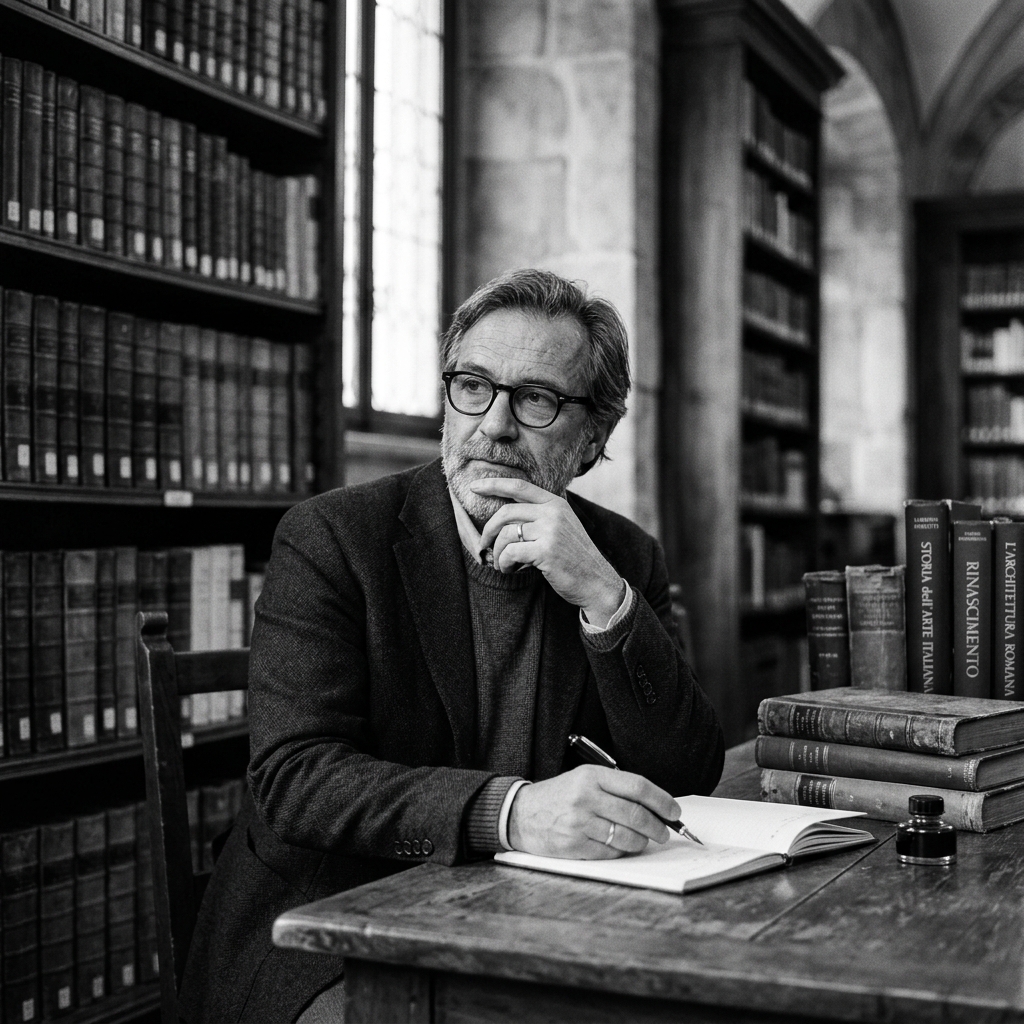
Alessandro
Art & Architectural Historian
Always keep a couple of fifty-cent or one-euro coins in your pocket: in Italian churches, the Caravaggio or the fourteenth-century fresco is almost always sitting in the dark until you feed the light box.
I blame my father, who took me to the cinema in the autumn of ‘81 to see Raiders of the Lost Ark. I was nine years old and walked out convinced I was going to be an archaeologist. I ended up studying art and architectural history in Rome instead, yet every time I head down the damp stone steps of a Lombard crypt or a Roman mithraeum beneath a neighborhood church, that exact same thrill comes rushing back. I have zero patience for robotic audioguides or monuments reduced to a dry list of dates: when we step inside a building, I want you to spot the ancient Roman column scavenged from a pagan temple, the mason’s chisel marks on the travertine, and the quiet side door that lets you skip an hour-long line.
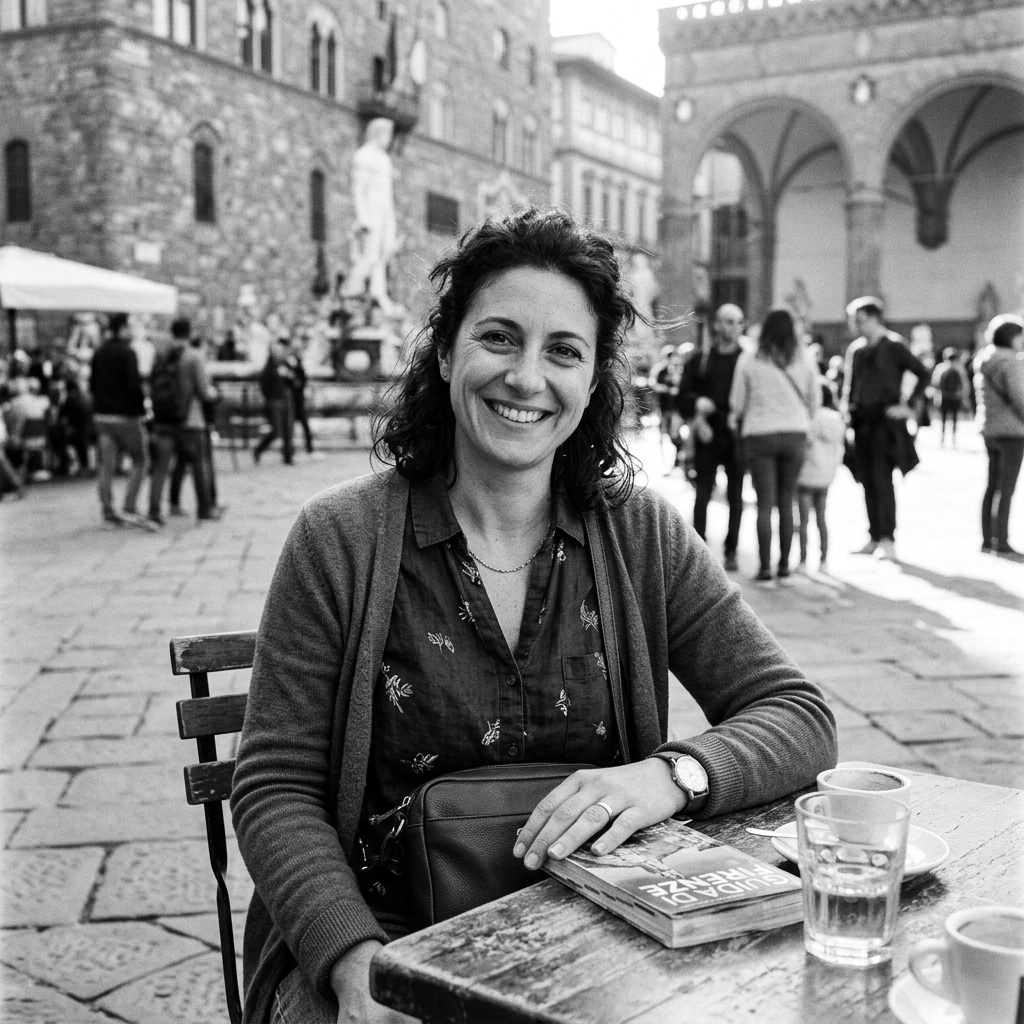
Elena
Family Travel
Skip the 'kids' menu' of frozen nuggets and fries. In any real Italian trattoria, just ask for a half portion of simple pasta with fresh tomato or olive oil and Parmigiano: it costs half as much and they'll actually eat it.
I live in Florence, and in our house, every time we zip up the backpacks and head out the door together, a new family adventure begins. Traveling across Italy with two kids quickly teaches you to read places differently: a hilltop town that looks gorgeous in a postcard can easily turn into a midday obstacle course of steep stone steps with zero shade and no water fountain in sight. Here I only write about places where I’ve actually taken—or would happily take tomorrow morning—my own family: beaches where the water genuinely stays shallow, museums where staff don’t glare if a child asks a question out loud, and itineraries paced so nobody ends the day in tears.
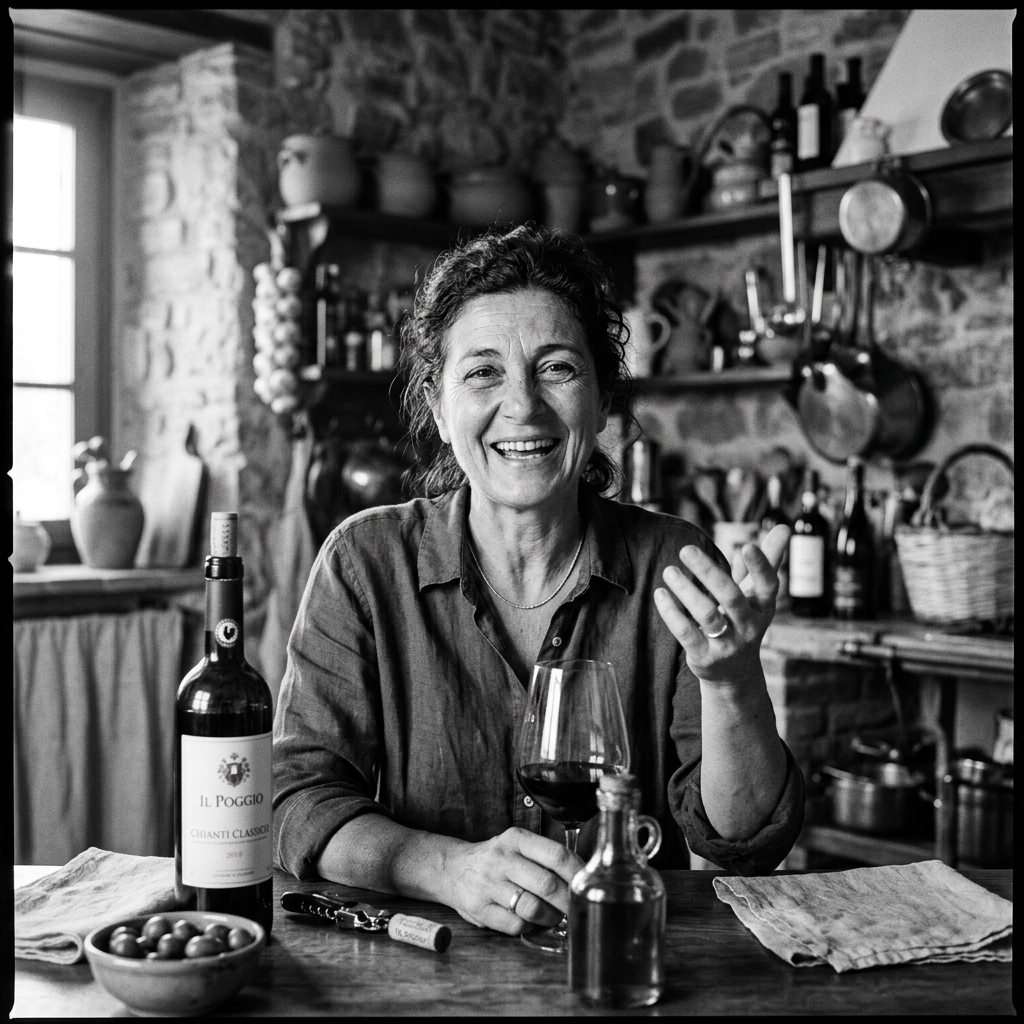
Giulia
Markets, Bakeries & Regional Cooking
If a jar of pistachio cream glows like a neon highlighter, put it back on the shelf. Flip the jar: real roasted pistachio is a muted olive-brown, and the back label should read above 40%.
I grew up in Catania and have lived in Bologna for nearly a decade, which means I spend half my life debating whether a four-hour slow-simmered ragù or pasta alla Norma with coarsely grated ricotta salata is closer to religion. When I travel, I skip fine-dining tasting menus: I set an early alarm for the covered morning market, duck into neighborhood bakeries as the first trays come out of the oven, and look for family-run trattorias where the menu is handwritten on a single sheet of paper. I always pack my suitcase half-empty because I already know I’ll be coming home with two kilos of vacuum-sealed cheese and a couple of bottles wrapped in my sweaters.
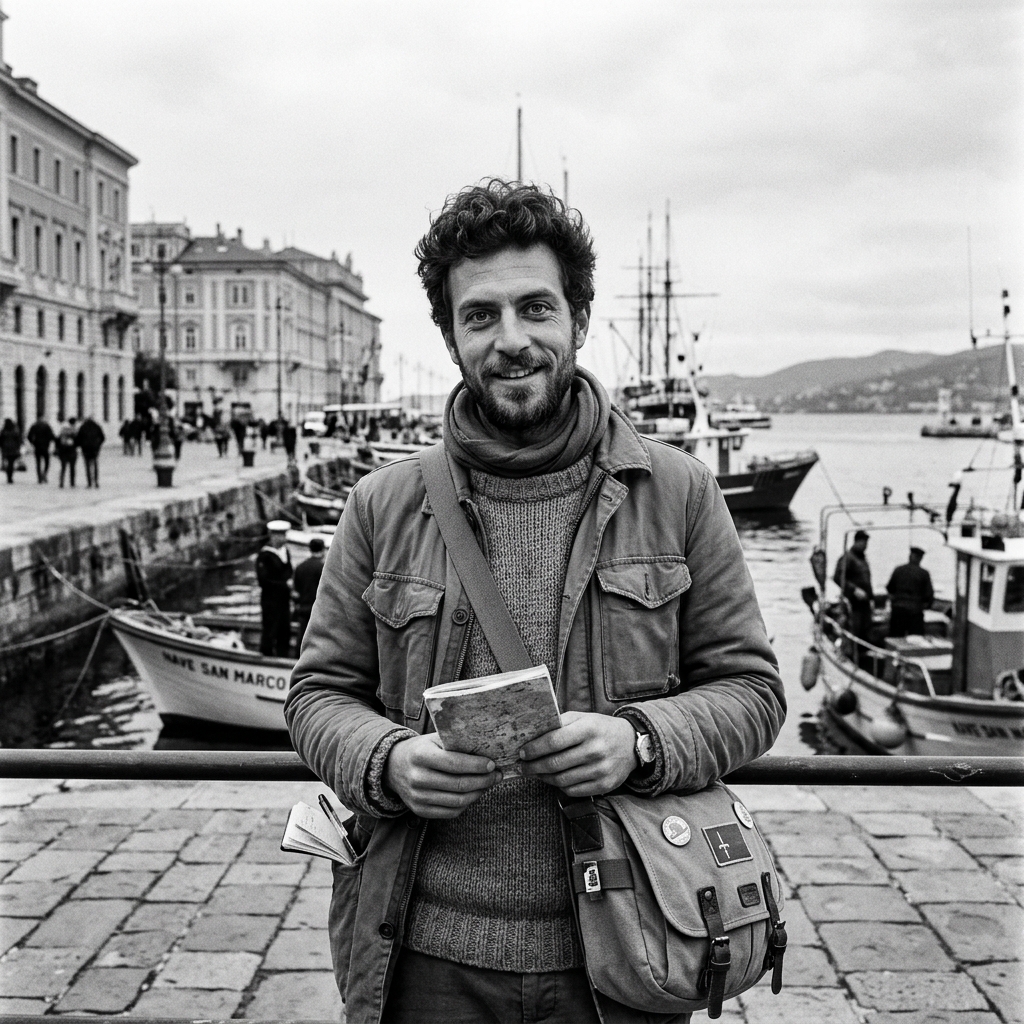
Luca
Small Towns, Minor Islands & the South
Want to know which rocky cove is actually worth the climb or which bar pulls a decent espresso in a town you've never visited? Look where the local kids park their scooters.
I’m from Bari, raised between the alleys of the old town and the limestone rocks of the Adriatic. While everyone else queues up at the same three viewpoints for the exact same photo, I usually hop on a slow regional train, an early-morning ferry, or a rented scooter to see what’s happening two towns over. I’m drawn to inland southern villages out of season, September patron-saint festivals lit up with wooden arches across the piazza, stretches of free rock without rows of paid beach umbrellas, and conversations at the bar counter with the people who actually live there in January.
Marco
Driving Routes & Road Trips
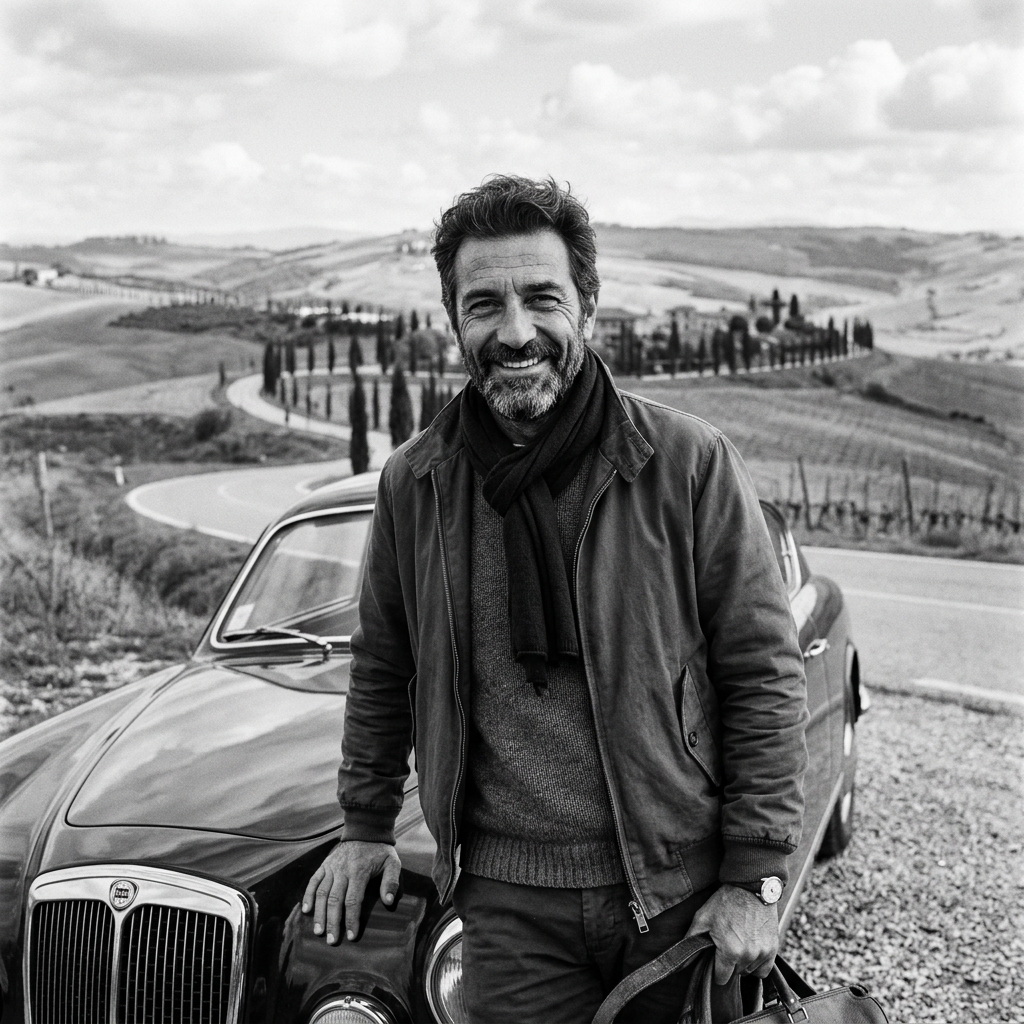
At the airport rental desk they'll always try to upgrade you to a big SUV 'for extra comfort.' Turn it down: at your first medieval stone archway in Umbria, you'll thank me.
I learned to drive on the switchbacks of the Colle delle Finestre and the backroads of the Langhe, where winter asphalt doesn’t forgive mistakes and provincial lanes are barely wide enough for a Fiat Panda and a half. To me, Italy only really makes sense once you exit the tollway and turn onto a secondary state road. In my guides you won’t find clichés about the “wind in your hair”—just what you actually need behind the wheel: which mountain passes and coastal stretches are worth the detour, where the trickiest ZTL cameras are mounted, and which white-lined parking lots outside the town walls still have space before the tour buses pull in.
Martina
CAI Trails, Via Ferratas & MTB
If a trail guide calls a route 'an easy walk for everyone' without telling you the elevation gain, sun exposure, and where the last water source is, the writer never hiked it.
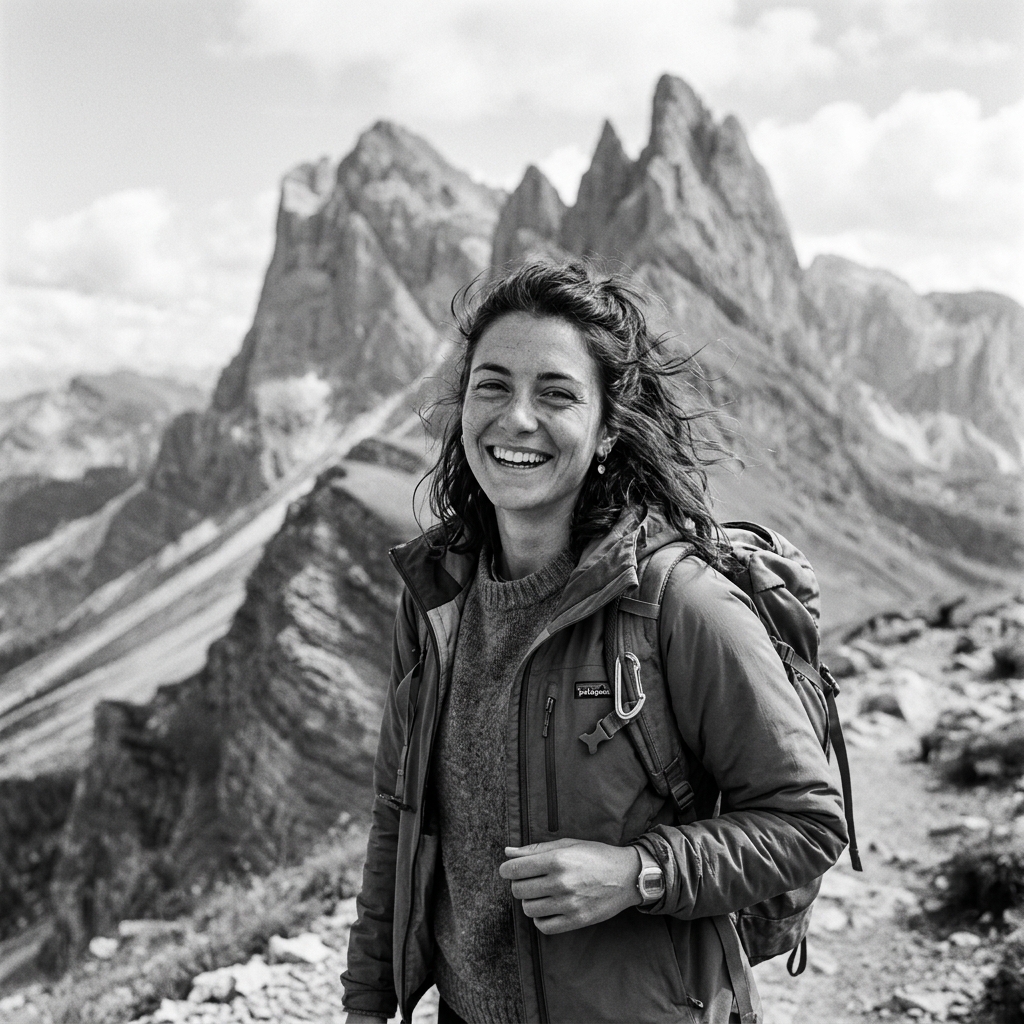
I grew up in the province of Belluno beneath the Pale di San Martino, and whenever I can, I trade pavement for altitude—either in hiking boots or on a mountain bike. Over the years I got tired of reading outdoor guides packed with dreamy adjectives and zero practical data for when you’re actually on a Dolomite ledge or an Apennine ridge in July: CAI trail numbers, real elevation gain (D+), surface conditions from loose scree to wet roots, and where to top up your water bottle before climbing above the tree line.
Sofia
Historic Stays, Slow Living & Couples Travel
Italy's most beautiful places have two lives: the noisy one between ten in the morning and five in the afternoon, and the real one that begins once the last tour buses pull away.
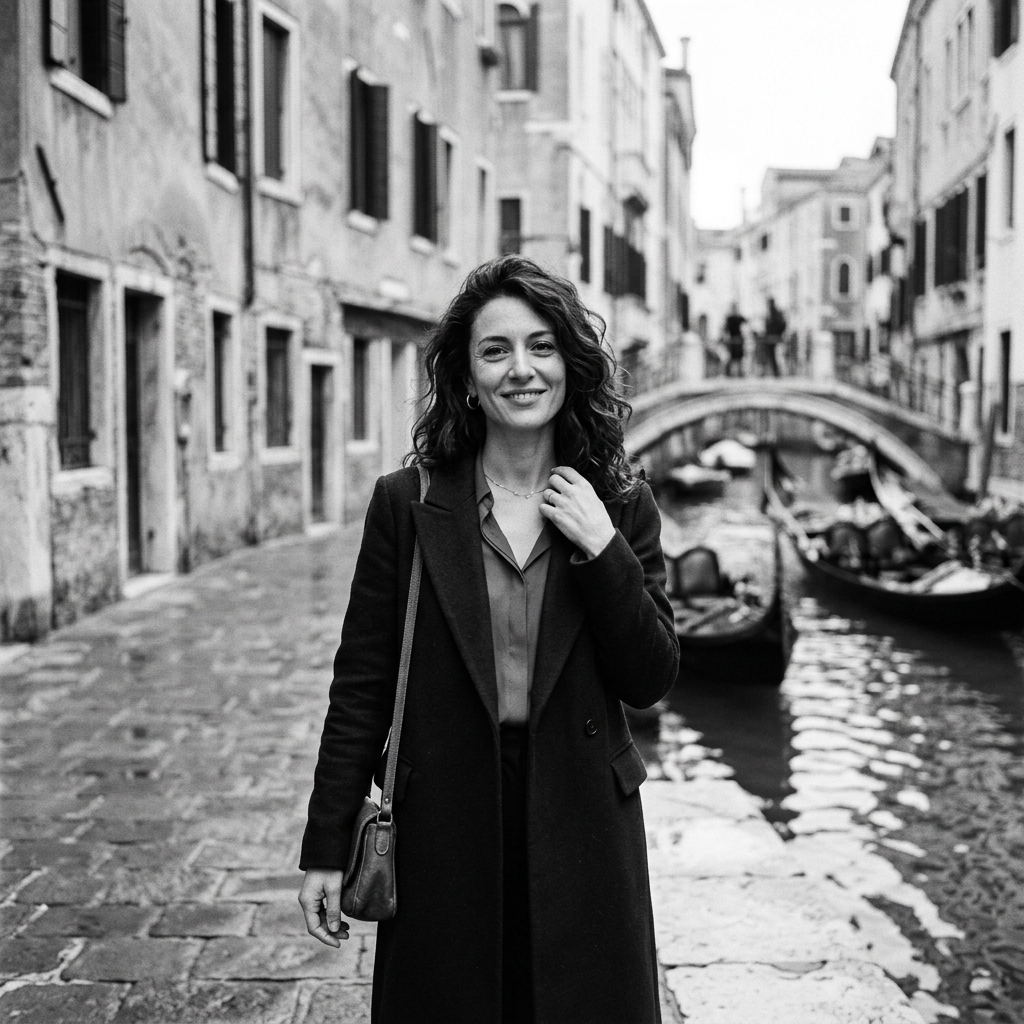
I’m Venetian, and perhaps because I grew up in such a fragile, crowded city, I’ve developed a quiet obsession with silence, late-afternoon slanting light, and intimate spaces. With a background in photography and interior architecture, when I look for a place for two, I pay attention to honest materials—the whitewashed stone of an Apulian masseria, raw linen, a walled courtyard where you can have dinner away from street noise—and I steer clear of hotels peddling “romantic packages” or charging a lake-view supplement for a sliver of water between two roofs.
Our Promise to Readers#
We won’t sell you fairy tales about “untouched secrets,” just practical, ground-tested details: real opening hours, where the pavement ends, what you should actually expect to pay at the table, and when to skip an overhyped stop altogether. If you spot a changed schedule or a closed road along one of our routes, let us know. Buon viaggio!