
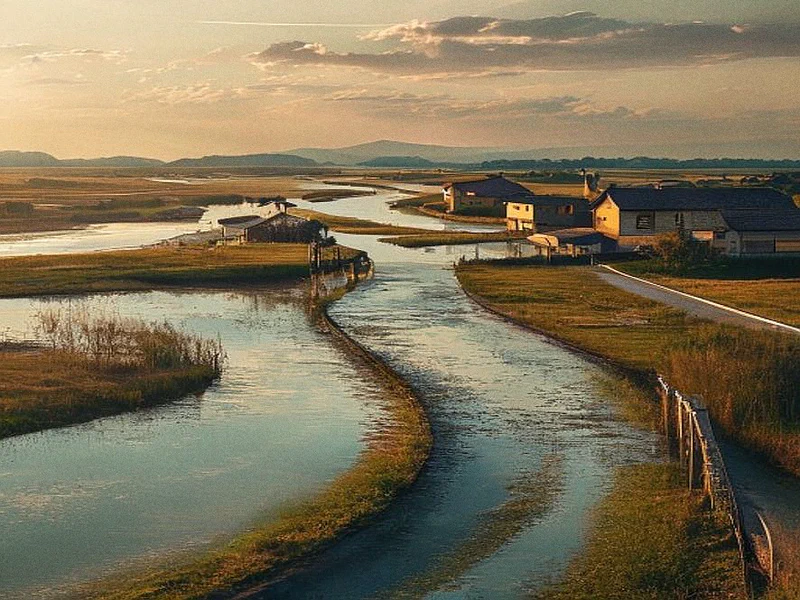
If watery landscapes and wild roads are your thing, the Po Delta is calling. This land, reclaimed from the sea between Emilia-Romagna and Veneto, is a maze of canals, lagoons, and reed beds. Nature reigns supreme here, with horizons that seem to stretch on forever, undisturbed by the usual bustle. My first drive on these embankment roads revealed a profound silence, broken only by distant bird calls and the salty whisper of the wind. It’s a driver’s paradise.
Exploring this natural wonder? Get behind the wheel, it’s the best way. Cruising the elevated roads that slice through the saline valleys offers an unparalleled sense of freedom. You can detour over small boat bridges or pull over to watch flamingo colonies at sunset. But a word of caution: these embankment roads are narrow, winding, and often lack guardrails, demanding full attention. Drive smart, stay safe.
Renting a car here is practical, but always double-check the vehicle’s condition. Pay special attention to the tires before you set off on your journey. There’s nothing worse than a flat on an isolated embankment as dusk settles, with local mosquitoes ready to pounce. Trust me, solid technical planning makes all the difference between a memorable trip and a logistical nightmare. Be prepared, not stranded.
Getting There#
Reaching the Po Delta by car isn’t complicated, but requires route planning. Major highways offer excellent access to the region’s perimeter. However, the real adventure truly begins once you hit the provincial roads. These smaller routes are where you’ll find the authentic character of the region. Plan your route wisely.
Driving from Bologna or Padova? Take the A13 highway to the Ferrara exits. From there, connect to the Ferrara-Porto Garibaldi highway link or State Road 309 Romea. This coastal artery cuts through picturesque areas, but heavy traffic and speed cameras are common. Stick strictly to speed limits to avoid unwelcome surprises in your mailbox back home. Drive smart, avoid fines.
For train travelers, Ferrara, Ravenna, and Rovigo are the closest main stations. Bus connections exist, but services are sporadic and unreliable for extensive exploration. Relying solely on public transport ties you to rigid timetables and limits access to isolated viewpoints. Renting a car directly at Ferrara or Ravenna station offers the most convenient autonomy. Car rental is king here.
[!TIP] Here’s an insider tip for driving in the Delta. In small historic centers, watch for ZTL (Limited Traffic Zone) access points. Be wary of impromptu parking near tourist boat docks on summer weekends; rates are often exorbitant. Always look for slightly more secluded public parking to save both time and money. Park smart, save cash.
Places to Visit#
Every corner of the Po Delta holds an atmosphere suspended in time. Here, human endeavor intertwines with the dynamic marshland environment. You can truly feel the history and the natural forces at play. The blend of ancient traditions and wild landscapes is truly captivating. Get ready to explore.
Comacchio: This captivating lagoon town is often called the ‘Little Venice’ of Emilia-Romagna. It’s built on a dense network of canals topped with stone and brick bridges. Its iconic landmark is the 17th-century Trepponti, where four canals converge beneath its arches. Strolling the alleys, you’ll catch the intense aroma of marinated eel from the historic Manifattura dei Marinati. Comacchio’s proximity to Ferrara makes it a natural next step to continue inland and discover Renaissance cuisine. If you decide to make this detour, my colleague Giulia wrote a splendid guide on how to savor local pasta in The Velvet Gold of Ferrara: Discovering the Soul of Emilia-Romagna Through Cappellacci di Zucca. A culinary and historic detour.
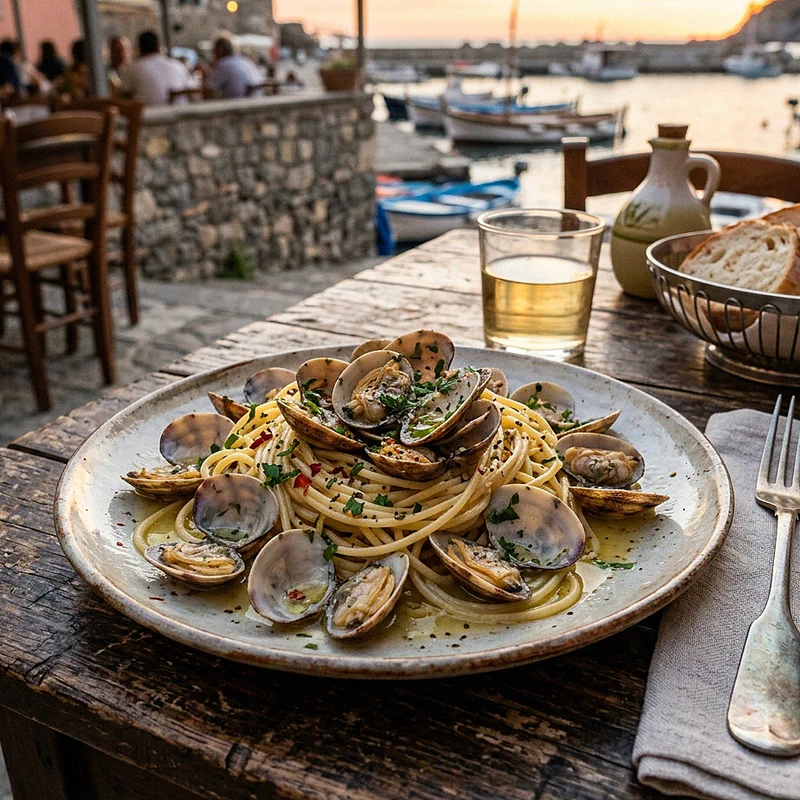
Porto Garibaldi: This historic fishing port is also a lively seaside resort. It’s the perfect starting point for boat excursions through the inner valleys. The canal port buzzes with seagulls and fishing boats returning in the afternoon. For fresh seafood, stop at a canal-side trattoria for spaghetti alle vongole or a mixed fried platter. Seafood paradise awaits.
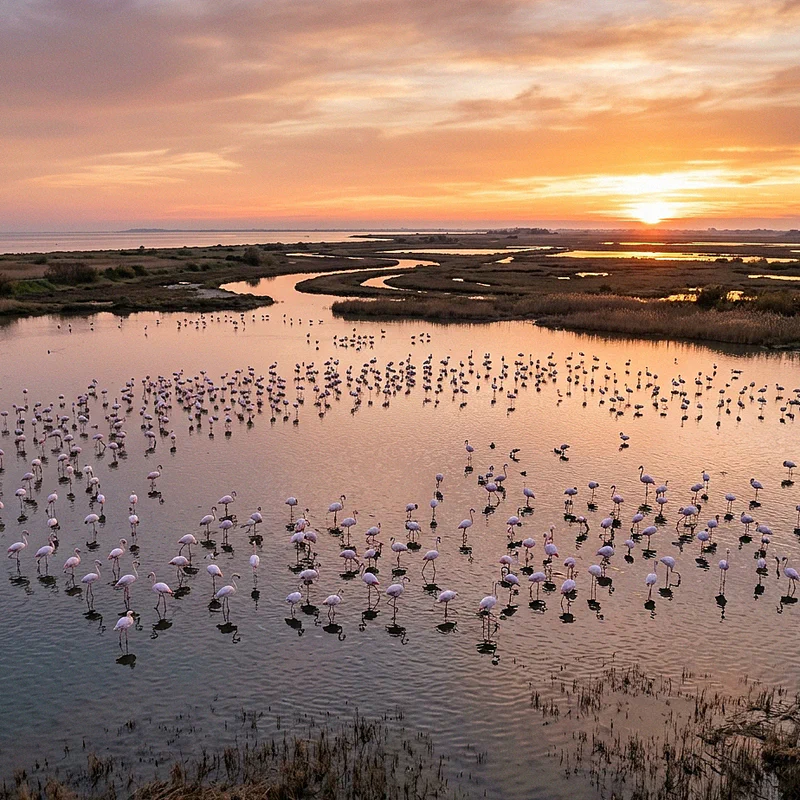
- Sacca di Goro: This vast lagoon is famous for clam farming and birdwatching. Drive the scenic road skirting the lagoon to spot herons, cormorants, and pink flamingos. These spectacular colonies forage in the shallow waters, a sight to behold. The atmosphere here is one of absolute peace, especially when mist rises at dawn. Nature’s quiet spectacle.
- Abbazia di Pomposa: This historic Benedictine abbey is a Romanesque and Byzantine masterpiece. It rises majestically from the plain in Codigoro, its slender bell tower visible for miles. Inside the basilica, you’ll be captivated by 14th-century frescoes and an exquisitely fine mosaic floor. If this art intrigues you and you want to continue your journey south to discover other great historical masterpieces along the Adriatic coast, I recommend checking out Alessandro’s guide on Ravenna: Unveiling the Byzantine Secrets Through Shimmering Mosaics, where he explores the world-famous Byzantine mosaics. A historical art stop.
Tips and Useful Information#
Exploring this complex wetland requires practical preparation for its wild nature. Being prepared ensures a smoother and more enjoyable experience for everyone. A little foresight goes a long way in these unique environments. Here’s what you need to know to make your trip hassle-free. Be ready for anything.
Insect Protection: The Delta’s mosquitoes are notoriously aggressive, especially at dusk. They are particularly active near reed beds, so be vigilant. Always carry an effective repellent with DEET or similar ingredients. This is crucial if you plan to watch the sunset over the lagoons. Don’t forget the bug spray.
Travel Gear: A camera with a telephoto lens is essential for wildlife photography. It lets you capture local birdlife without disturbing the animals. Always keep binoculars handy for better viewing opportunities. Wear comfortable, non-slip shoes if you plan to walk dirt trails along the embankments. Pack smart for wildlife.
Supplies and Fuel: Gas stations can be scarce in the Delta’s inner areas. I highly recommend filling your tank before leaving the main state roads. Always keep a supply of water on board your vehicle, especially on longer drives. Being self-sufficient is key to a stress-free exploration here. Fuel up, stay hydrated.
Conclusion#
The Po Delta isn’t a conventional tourist destination; it’s far more special. It’s a silent, ever-changing territory where land and water blur with tides and seasons. When the sun dips, painting lagoons in orange and violet, pink flamingos silhouette against the golden light. You’ll immediately understand why this place deserves to be experienced slowly and deeply. Savor every moment.
Take your time, roll down the windows, and breathe in the salty air. Let curiosity guide you along the great river’s embankments, exploring every turn. Remember to respect this fragile ecosystem, leaving no trace of your visit behind. Drive responsibly, soak it all in, and connect with nature’s raw beauty. Hit the road, adventurer!