
Mount Etna isn’t just Europe’s most active volcano—it’s a living, breathing natural wonder. Rising 3,357 meters above Sicily’s northeastern coast, Etna is a UNESCO World Heritage site for a reason. Its smoldering craters, blackened lava fields, and lunar-like landscapes make it a bucket-list destination for outdoor enthusiasts.
But don’t let its beauty fool you. Etna demands respect. As I always say, the mountain doesn’t care about your followers, respect it. Whether you’re an experienced hiker or a first-timer, preparation is key.
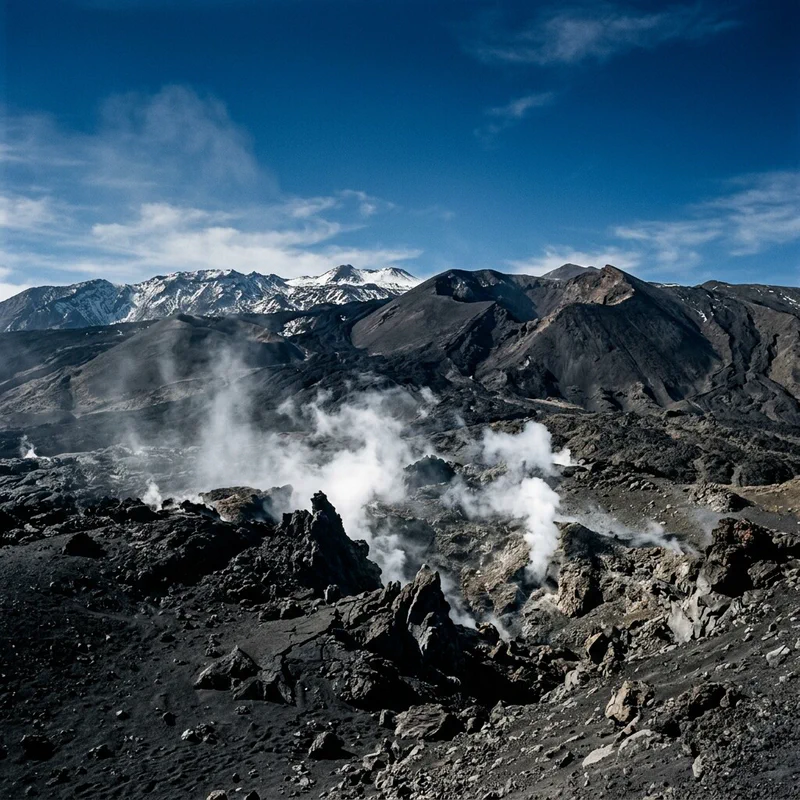
As I mentioned in my guide to the Sentiero Italia, the Sicilian stages offer some of the most surreal and challenging landscapes in the country.
Choosing Your Trail: Difficulty and Routes#
The best way to explore Mount Etna is on foot. But with dozens of trails to choose from, it’s essential to pick the right one for your fitness and experience level. Here are the must-know details:
1. South Side: Rifugio Sapienza to Summit Craters#
- Starting Point: Rifugio Sapienza (Nicolosi).
- Elevation Gain: ~1,300m (from 1,900m to ~3,000m).
- Trail Difficulty: EE (Escursionisti Esperti) - Challenging. Steep inclines, loose volcanic scree, and high-altitude conditions.
- Time Estimate: 6-7 hours round trip.
- Highlights: Explore steaming craters and panoramic views stretching to the Ionian Sea and even Calabria on a clear day.
- Tip: Take the cable car (€50 round trip) from Rifugio Sapienza to 2,500m to save time and energy.
2. North Side: Piano Provenzana to Summit Craters#
- Starting Point: Piano Provenzana (Linguaglossa).
- Elevation Gain: ~1,000m (from 1,800m to 2,800m).
- Trail Difficulty: EE.
- Time Estimate: 5-6 hours round trip.
- Highlights: Smaller crowds, verdant forests, and lava flows from the 2002 eruption.
- Tip: Guided tours often leave from here. Local guides have expert knowledge of Etna’s volatile nature and can adapt routes quickly if conditions change.
3. Valle del Bove: The Scenic Option#
- Starting Point: Rifugio Citelli or Piano del Vescovo.
- Elevation Gain: Variable (~600-1,000m depending on route).
- Trail Difficulty: E (Escursionisti) - Moderate. Suitable for fit beginners.
- Time Estimate: 4-6 hours round trip.
- Highlights: A dramatic horseshoe-shaped valley formed by collapsed craters, with incredible views of ancient lava flows.
- Tip: Wear robust hiking boots—this trail is littered with sharp volcanic rocks.
Best Time to Visit Mount Etna#
- Spring (April-May): Blooming wildflowers and mild temperatures.
- Autumn (September-October): Fewer crowds, cooler weather, and stunning golden landscapes.
- Winter (December-March): Skiing and snowshoeing are possible on the snowy northern slopes.
- Avoid Summer: The heat can be brutal, and the trails are crowded.
Pro tip: Check Etna’s activity status before your trip. You can monitor live updates via the INGV Catania Observatory or ask locals for advice.
Gear Checklist: What to Pack#
Mount Etna’s terrain is as unforgiving as it is breathtaking. Here’s what you’ll need for a safe and comfortable hike:
- Footwear: Sturdy hiking boots with good grip. No flip-flops or city shoes, per favore!
- Clothing: Layer up. Temperatures can plummet near the summit—even in summer.
- Backpack: Lightweight but roomy enough for essentials.
- Water: At least 2 liters per person. Dehydration is no joke on this arid volcano.
- Snacks: Pack high-energy food like trail mix or energy bars.
- Sunscreen & Sunglasses: The sun’s reflection on the volcanic rock is intense.
- Trekking Poles: Highly recommended for stability on loose scree.
- Headlamp: For early starts or late finishes.
- Helmet: Mandatory for summit hikes—falling rocks are a real danger.
How to Get There#
By Car:
- To Rifugio Sapienza: From Catania, take the SP92. It’s about an hour’s drive. Plenty of parking is available (€5/day).
- To Piano Provenzana: From Linguaglossa, follow the SP92 north. Allow 1.5 hours from Catania.
By Public Transport:
- From Catania, AST buses run daily to Rifugio Sapienza (about 1.5 hours). Check schedules in advance, especially off-season.
Guided Tours: Many tour operators in Catania and Taormina offer guided excursions, often including transport.
Responsible Hiking: Leave No Trace#
Etna’s beauty is fragile. Let’s keep it that way. Follow these principles:
- Pack It In, Pack It Out: Carry all trash back with you. No excuses for snack wrappers or plastic bottles on the trail.
- Stay on Marked Paths: Protect the delicate volcanic environment by sticking to designated trails.
- Respect Wildlife: Etna is home to unique flora and fauna. Admire, but don’t disturb.
- Silence is Golden: Leave your speakers at home. Nature’s soundtrack is better than your playlist.
Reward Yourself: Local Eats After the Hike#
Post-hike hunger is real, and the nearby towns won’t disappoint. My favorites:
- Nicolosi: Try pasta alla Norma (eggplant, tomato, ricotta salata) at Antica Sicilia.
- Zafferana Etnea: Grab a honey gelato at Pasticceria Russo, famous for their pistachio and hazelnut treats.
- Linguaglossa: For a hearty pasta con le sarde, head to Borgata Baldazza.
Final Words#
If you appreciated the lunar silence here, you might also find peace in the high-altitude trails of Abruzzo.
Hiking Mount Etna is a journey into the raw, untamed heart of Sicily. It’s challenging, yes, but worth every drop of sweat. Remember to prepare thoroughly, respect the mountain’s power, and embrace its untamed beauty.
Because when you’re standing at the edge of a steaming crater, with the world spread out below you, you’ll understand why this is one of Italy’s greatest natural wonders.
Two boots, one trail, zero distractions. Let’s go.
Since my last escapade on the trails of Piedmont, I’ve had itchy feet to explore more of this incredible Italian region. My colleague Giulia recently published a guide to uncovering the secrets of Panissa in Vercelli, a culinary adventure that takes you deep into the heart of Piedmont’s rich gastronomic heritage. Discover the Velvet Soul of Piedmont in Vercelli to learn more about this lesser-known gem of a dish and the charming town that puts it on the plate.