
From late spring until September, the Italian festival season offers a continuous celebration. While the big cities have their star-rated restaurants, the true soul of Italian cooking is found in the ‘sagre’—local festivals that celebrate a single ingredient or a traditional dish. It’s here, under string lights and at long wooden tables, that you taste the real Italy, prepared by hands that have been rolling pasta for decades.
Last year, I spent late June in Forlimpopoli for the Festa Artusiana, and let me tell you, it’s a religious experience for any foodie. This festival honors Pellegrino Artusi, the man who practically invented modern Italian home cooking, and the entire town becomes a living laboratory of taste. The air is thick with the scent of simmering ragù, freshly warmed piadina, and the intense aroma of local Sangiovese. It’s the kind of place where you don’t just eat; you learn the history of every bite.
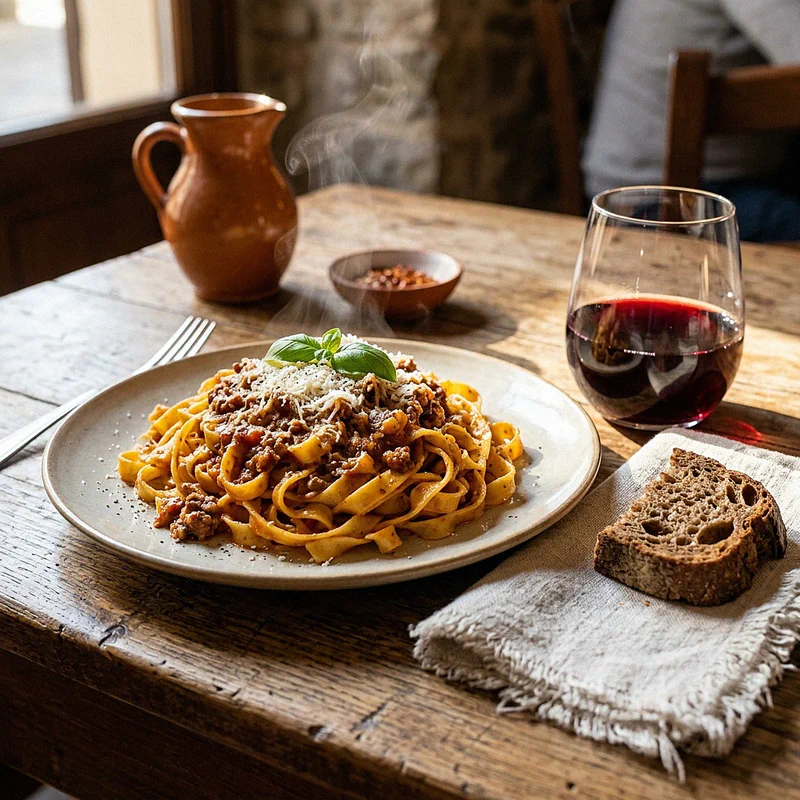
One of my favorite things about these festivals is watching the ‘sfogline’—the women who carry the heritage of handmade pasta on their shoulders. I spent an afternoon watching a ’nonna’ named Maria roll out sheets of pasta so thin you could read a newspaper through them. The rhythmic sound of the wooden rolling pin on the board is the heartbeat of the Italian kitchen. My secret tip is to always look for the smallest stall with the longest queue of locals; that’s where the real magic happens.
But it’s not all about the heavy ragùs in summer. When the heat hits 35 degrees, we turn to the simplicity of panzanella and caprese. A true panzanella—the Tuscan bread salad—is a masterpiece of recycling. It’s about stale bread, sun-ripened tomatoes that smell of the earth, and a generous amount of sharp, cold vinegar and basil. It’s a sensory anchor that takes me back to my childhood summers in the Maremma every time I take a bite.
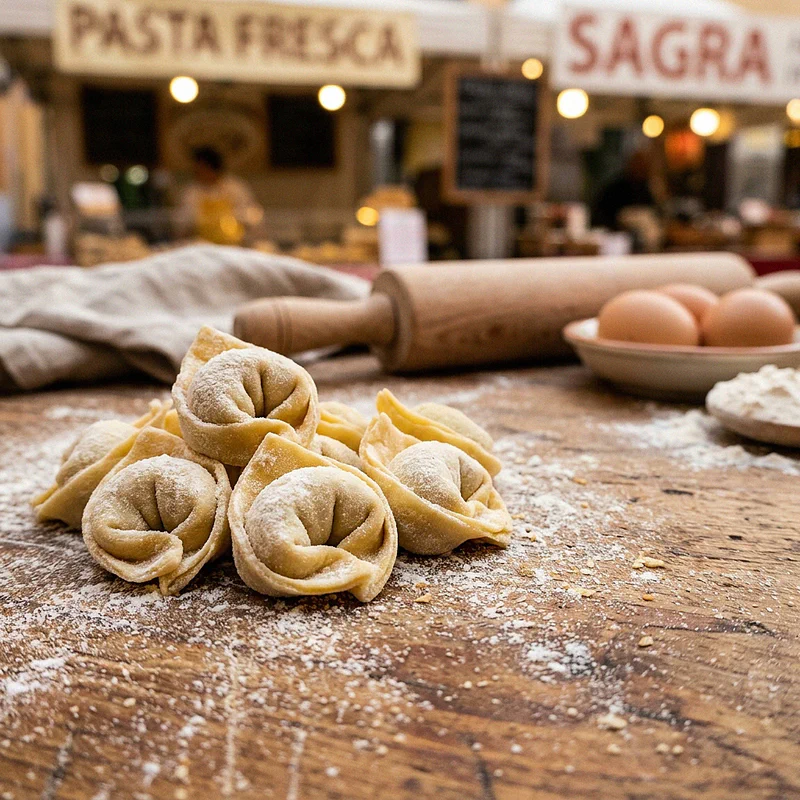
Down in Naples, the Pizza Village in early July is a spectacle like no other. Imagine the smell of a thousand wood-fired ovens working at once along the seafront. The sound of the waves mixing with the shouting of the pizzaioli and the live music is intoxicating. If you think you’ve had pizza before, wait until you try a Margherita prepared with tomatoes grown in volcanic soil and mozzarella di bufala that was made just a few hours ago. It’s a taste that ruins all other pizzas for life.
But here’s my insider warning for these festivals: don’t expect a formal menu or a quiet table. You will share your space with strangers, you will probably wait in line for your paper ticket, and you might have to fight a bit for a carafe of the local house wine. It’s loud, it’s messy, and it’s absolutely authentic. If you see someone complaining about the lack of a wine list or the heat, they’ve missed the point entirely. A sagra is about community, not service.
As the summer peaks in August, the focus shifts to seafood festivals along the coast. From the Sagra del Pesce in Chioggia to the small village feasts in Calabria and Sicily, the focus is on the daily catch and the simplicity of preparation. The smell of frying calamari and paranza (small mixed fish) is the definitive scent of an Italian August. If you find yourself in Sicily, don’t miss the street food festivals in Palermo or Catania. A lemon granita with a warm brioche ‘col tuppo’ is the only acceptable way to start a summer morning in the south.
The ‘sagra’ culture is also about the unexpected encounters. I’ve sat at tables where I started the meal as a stranger and ended it as part of a family, sharing stories about the best way to cook an artichoke or the secret to the perfect tiramisu. It’s this human connection that makes the food taste better. When you’re eating a plate of pasta that was made by a team of local volunteers who have been doing this for forty years, you’re tasting a communal pride that no high-end restaurant can replicate. It’s the ultimate ‘slow food’ experience, even if you’re eating it off a paper plate.
My final pet peeve? When people use too much lemon on perfectly fresh fish—it masks the delicate flavor of the sea. Use it sparingly, or better yet, skip it and let the fish speak for itself. Also, if you’re at a sagra and you see a ‘wine fountain’, approach with caution. It’s usually the local house wine, which is charming and honest, but it packs a punch that will make the next morning’s drive a lot less fun. Drink like a local: slowly, with plenty of water, and always accompanied by food.
Logistically, finding these festivals can be a bit of a treasure hunt. They are often organized by the local ‘Pro Loco’ and advertised only with bright yellow or fluorescent green posters glued to walls or lamp posts on the outskirts of villages. If you see one, follow it. Most ‘sagre’ operate on a cash-only basis, so don’t be that tourist trying to pay for a 5-euro plate of tortellini with a credit card—it won’t end well.
For those who appreciate the rugged charm of Italy’s countryside, a road trip through Tuscany’s rolling hills and picturesque villages is an experience not to be missed. Tuscany’s rich cultural heritage and stunning landscapes make it an ideal destination for a 7-day adventure, as Marco’s expert guide to the ultimate autumn travel itinerary demonstrates.
Marcos’ 7-Day Autumn Itinerary offers a wealth of information on the best places to visit and experiences to have in this beautiful region.