
Milan reveals its most captivating soul in April, when contemporary design takes over its noble courtyards. Traditionally held in the middle of the month, the Milan Design Week and Fuorisalone will take place from Monday, April 7 to Sunday, April 13, 2025. The iron wheels of tram number 1 rumble on the stone tracks, while the aroma of toasted coffee spreads through the morning air. This place has seen centuries of transformations, from ancient Roman ruins to the temporary installations of the Fuorisalone. Walking through the city during this week allows you to grasp a unique dialogue between past and future. Behind these walls lies an open-air creative laboratory in constant evolution. The city’s historic districts, such as Brera and 5Vie, showcase the perfect blend of traditional and modern design. In summary, Milan Design Week is a must-visit event.
During one of the previous editions, I recall stopping in the courtyard of the Rocchetta del Castello Sforzesco at dusk. As I observed a monumental light installation projecting geometric shadows on the Renaissance portico of the Filarete, I clearly perceived how contemporary design is not a break, but the continuation of the same creative drive that centuries ago led Ludovico il Moro to call Leonardo da Vinci to Milan. The city’s rich history and cultural heritage are palpable in its architecture and design. From the noble palaces to the modern installations, every detail tells a story. The Fuorisalone’s unique approach to design and creativity is a testament to the city’s innovative spirit.
The Birth of the Salone and the Spontaneous Evolution of the Fuorisalone#
To fully understand the spirit of this event, we must take a step back to 1961. In that year, a small group of Italian furniture makers decided to found the Salone del Mobile to promote the export of national design and furniture worldwide. The exhibition, initially hosted in the historic Fiera campionaria di Amendola, had extraordinary success, consecrating Milan as a reference point for quality furniture. The true Fuorisalone, however, was born spontaneously in the early 1980s. Some design companies and independent designers chose not to exhibit in the official fairgrounds, but to organize events, exhibitions, and parties directly in their showrooms, art galleries, and abandoned industrial sheds within the city. This urban expansion, strongly supported by the magazine Interni, which printed the first thematic maps, has transformed Milan into a vast, free museum, where high project culture blends with the daily life of residents. The city’s historic districts, such as Tortona, have been revitalized and now host a wide range of design events and exhibitions.
The Fuorisalone’s growth has been remarkable, with more and more districts joining the event each year. The city’s unique blend of history, culture, and creativity makes it the perfect destination for design enthusiasts. In summary, the Fuorisalone is a celebration of design and creativity.
Brera and the Triumph of 18th-Century Patronage#
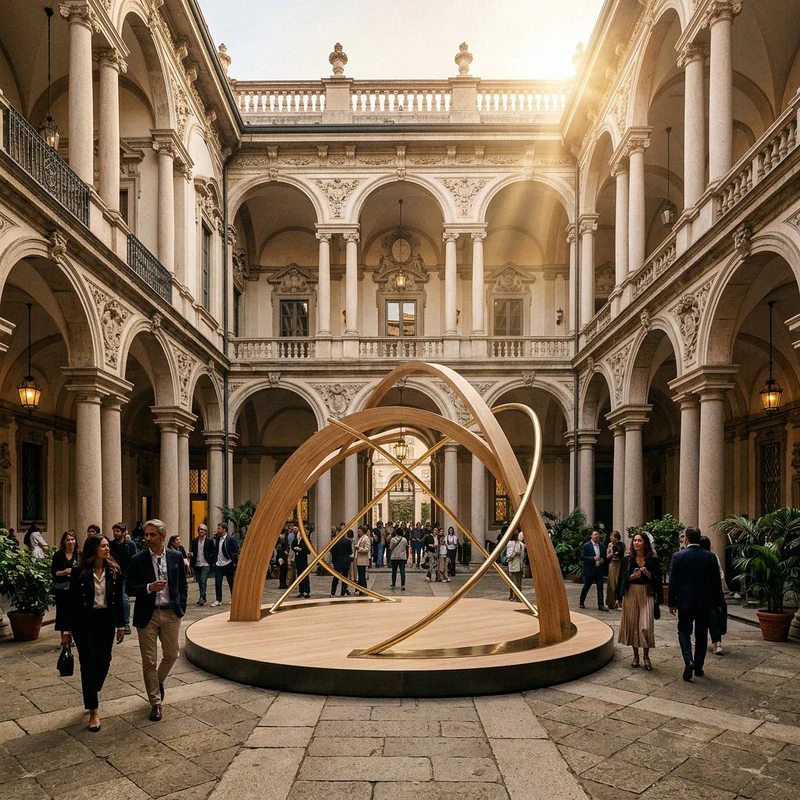
The Brera district represents Milanese elegance par excellence, with its cobblestone alleys and historic palaces of the Milanese nobility. The pulsing heart of the neighborhood is the 17th-century Palazzo di Brera, home to the famous Pinacoteca and the Orto Botanico di Brera, a green oasis founded in 1774 by Empress Maria Teresa of Austria for pharmacy and medicine students. During the Design Week, the Orto Botanico hosts interactive installations that integrate technology and sustainable design with the centuries-old vegetation of the historic garden. Nearby stands Palazzo Cusani, a late-Baroque masterpiece with a richly decorated facade. Normally the seat of the Military Command of the Army in Lombardy, the palace opens its monumental gates during the Fuorisalone, allowing visitors to admire the historic internal courtyards embellished with contemporary installations. The district’s unique atmosphere and historic architecture make it a must-visit destination. In summary, Brera is a treasure trove of history and design.
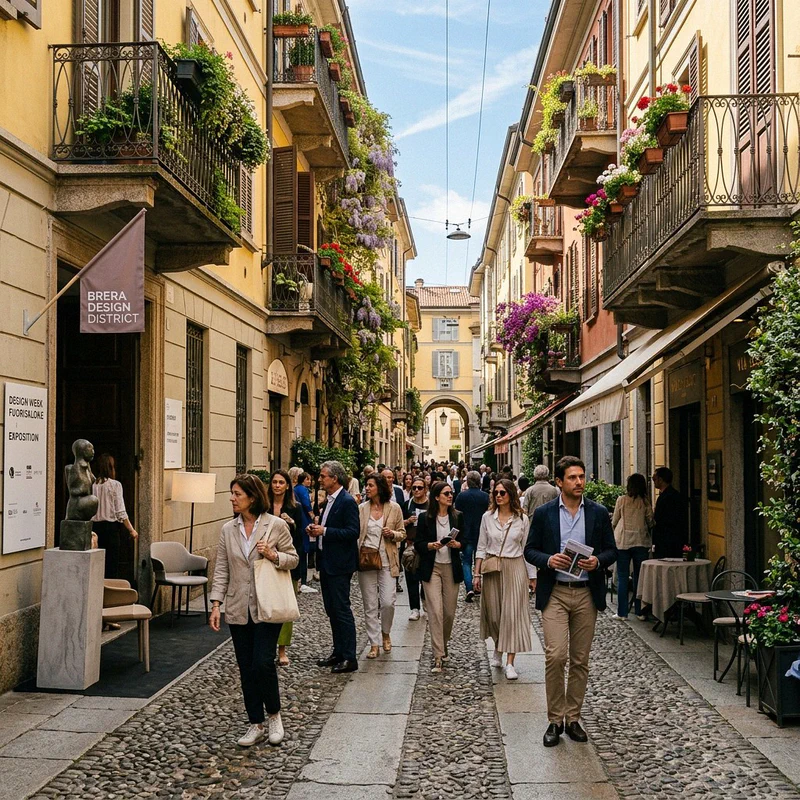
As a history enthusiast, my great concern is the scaffolding for sudden restorations. Often, many of the historic facades or most beautiful monuments are covered by huge advertising sheets precisely during the design week, without any indication on tourist portals. Always check official sites before planning a specific visit.
The 5Vie: The Roman and Baroque Labyrinth of Milan#
The 5Vie district corresponds to the oldest Roman nucleus of the city, enclosed between Piazza Cordusio and Carrobbio. This intricate maze of medieval streets and courtyards hides extraordinary Baroque palaces that reveal themselves to the public only during the Fuorisalone. One of the must-see buildings is Palazzo Litta, a splendid 17th-century patrician residence famous for its scenic stone staircase, designed by Francesco Maria Richini. The palace’s courtyard hosts a monumental installation every year, putting the splendor of Milanese Baroque in dialogue with the innovation of modern materials. The district’s unique charm and historic architecture make it a fascinating destination. In summary, the 5Vie district is a hidden gem.
Zona Tortona: The Industrial Archeology of the Locomotive#
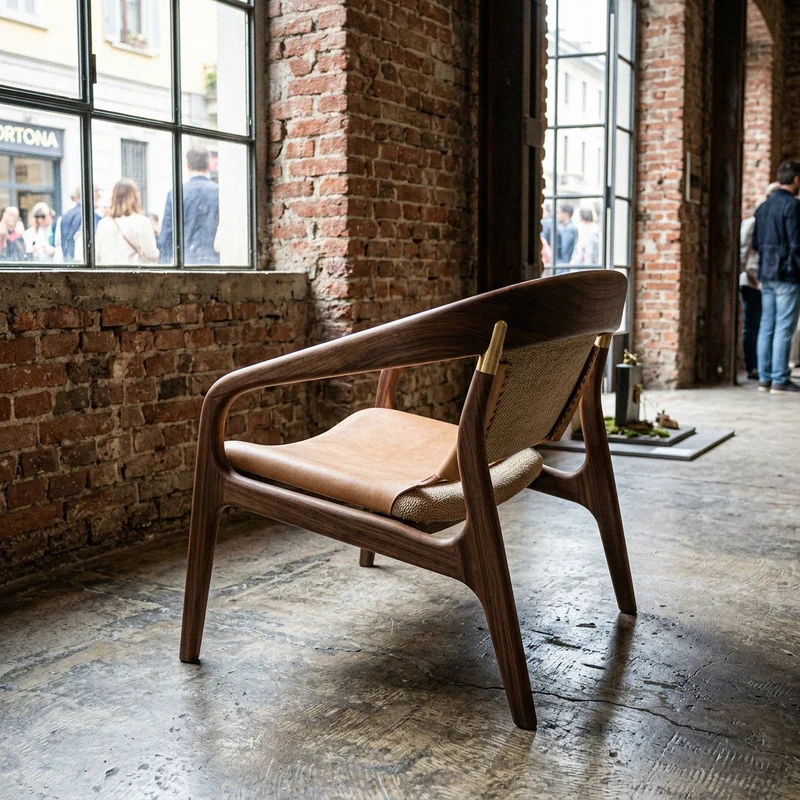
South of the city, beyond the Porta Genova railway, lies the Tortona district, the first to be redeveloped as an exhibition area for the Fuorisalone. This neighborhood tells the story of Milan’s worker past, made of foundries, steel mills, and textile factories active until the mid-20th century. The events are concentrated in the spaces of Superstudio Più, once a locomotive production plant for General Electric, and the MUDEC - Museo delle Culture, created from the recovery of the former Ansaldo steel mill. The industrial architecture, with its iron beam ceilings and large windows, offers a perfect backdrop for large automotive and industrial design installations. The district’s industrial heritage and modern design make it a unique destination. In summary, Tortona is a hub of creativity.
New Frontiers: Porta Venezia Liberty and Isola Futurista#
In recent years, the Fuorisalone has colonized new districts rich in history. The Porta Venezia neighborhood stands out for its extraordinary Stile Liberty (Italian Art Nouveau) architecture, which decorates buildings like Palazzo Castiglioni or Casa Galimberti. Here, contemporary design dialogues with the floral friezes, sinuous wrought iron, and majolica decorations of the early 20th century. The district’s unique architecture and historic charm make it a fascinating destination. In summary, Porta Venezia is a treasure trove of Art Nouveau.
Where to Eat in Milan: Between Ringhiera Osterie and Historic Cafes#
Avoid international fast-food chains or improvised food stalls with low-quality food that crowd the most commercial exhibition areas. For an authentic stop, I recommend these addresses steeped in Milanese history:
- Trattoria Aurora (Via Savona, 23): In the Tortona district, a classic osteria with a romantic internal pergola where you can taste cutlets and ossobuco prepared to perfection.
- Osteria del Binari (Via Tortona, 1): A refined venue characterized by a winter garden and period interiors, ideal for savoring risotto alla milanese in a Vecchia Milano atmosphere.
- Trattoria Milanese (Via Santa Marta, 11): In the 5Vie district, a historic stronghold of tradition where time seems to have stopped, and the cuisine follows classic recipes for decades.
- Caffè Jamaica (Via Brera, 32): A legendary café in Brera that has been the meeting point of artists, writers, and photographers since the 1950s. It’s the perfect place for a rich, historically charged aperitif.
- Pasticceria Marchesi (Via Santa Maria alla Porta, 11/a): In the heart of the 5Vie, this historic pastry shop, active since 1824, preserves period wooden furnishings and is perfect for a mid-afternoon espresso accompanied by fresh cannoncini.
Survival Tips for the Design Week#
- Moving by metro: Milan boasts a comprehensive metro network (M1, M2, M3, M4, M5). Purchase tickets via contactless card directly at the turnstiles to save time.
- Attention to ZTL: If you arrive by car, remember that the historic center is protected by electronic tollgates (Area C) for a fee. Avoid entering the exhibition areas by car, as forced removal for wild parking is frequent and immediate.
- Historic fountains: To hydrate during long walks, look for the characteristic green iron public fountains called vedovelle or green dragon by the Milanese for the dragon-shaped spout. The water is fresh, potable, and free.
- RSVP and registration: Many of the most exclusive installations require prior online registration on the official Fuorisalone website or individual brand sites. Check in advance to avoid being excluded from entry.
Conclusion: A Legacy of Beauty and Innovation#
The Milan Design Week & Fuorisalone 2025 is not just a contemporary exhibition event, but the continuation of a long tradition of patronage and artistic creativity. The city opens its most precious historic courtyards to share them with the world, combining the constructive wisdom of the past with the audacity of new forms. I hope this guide helps you discover these invisible links that make Milan a timeless cultural capital. Happy exploration between history and design!