
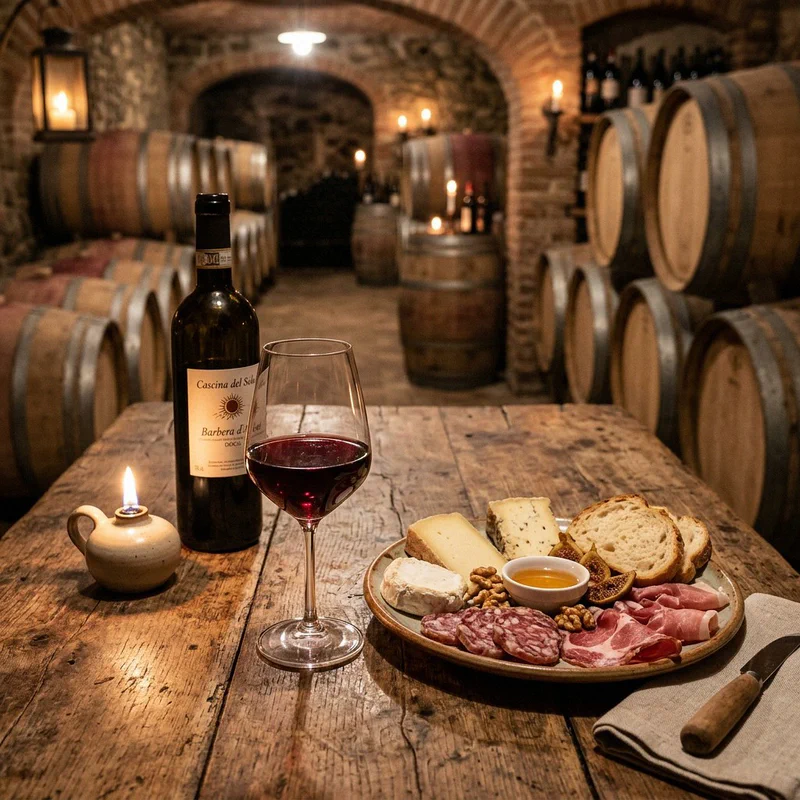
The scent of damp tuff mingles with the aroma of must bubbling in nearby wineries. In Asti, September is not just another month; it’s when the city reconnects with its communal past. Most travelers overlook this place, sticking to the well-trodden paths of the Langhe. Yet, the red towers and medieval walls pulse with an energy that bursts forth during the bareback horse race. My insider tip? Arrive midweek when the neighborhoods begin dining al fresco in the historic squares.
How to Reach Asti#
Getting to the heart of Piedmont is a breeze, whether by train or car. Asti’s train station is on the Turin-Genova line, with frequent regional trains that take just over thirty minutes from Turin Porta Nuova.
If you prefer to drive and explore the hills of Monferrato, the A21 Turin-Piacenza highway offers direct exits to Asti Est or Asti Ovest. Just remember, during the Palio days, the entire historic center is closed to traffic, and nearby parking fills up quickly.
My biggest annoyance in Monferrato is the noisy tour groups spilling out of giant buses, blocking the quaint streets of the villages, and selfie sticks obstructing views of the historic towers. If you seek true tranquility, step into the small taverns where the specials are handwritten on chalkboards, and local grandparents play cards: it’s the only way to dodge tourist traps and avoid paying for stale bread.
The Monuments and Medieval Towers#
Asti features a beautifully preserved medieval historic center, dotted with noble towers that rise above the red brick rooftops. The Torre Troiana, located in Piazza Medici, is the oldest bell tower in Piedmont still open to the public. Climbing its 199 wooden steps rewards you with a 360-degree view stretching from the Monferrato hills to the Alpine arc.
As you stroll along Corso Vittorio Alfieri, don’t miss the Cathedral of Santa Maria Assunta, a grand example of Piedmontese Gothic built from brick and tuff, and the charming Collegiata di San Secondo, the city’s patron saint, which overlooks the town hall square.
Where to Eat in Asti: Taverns and Piedmontese Flavors#
Piedmontese cuisine is a celebration of Fassona beef, handmade agnolotti, and fragrant truffles.
Here are two exceptional spots to savor authentic dishes in Asti:
- Tacabanda (Via Ratti, 1): This trattoria is located in the atmospheric cellars of a historic building, serving traditional agnolotti gobbi and an extensive selection of local wines.
- Il Campanarò (Corso Alfieri, 36): An intimate, rustic venue where you can enjoy knife-cut Fassona tartare, Barbera-braised cheek, and an unforgettable old-fashioned panna cotta.
The Palio and the Magic of Monferrato#
On Palio Sunday, September 7, 2025, Piazza Alfieri transforms into a dirt racetrack where horses ridden bareback by jockeys from historic districts race. But the festivities kick off on Thursday with official trials and celebratory dinners that fill the streets.
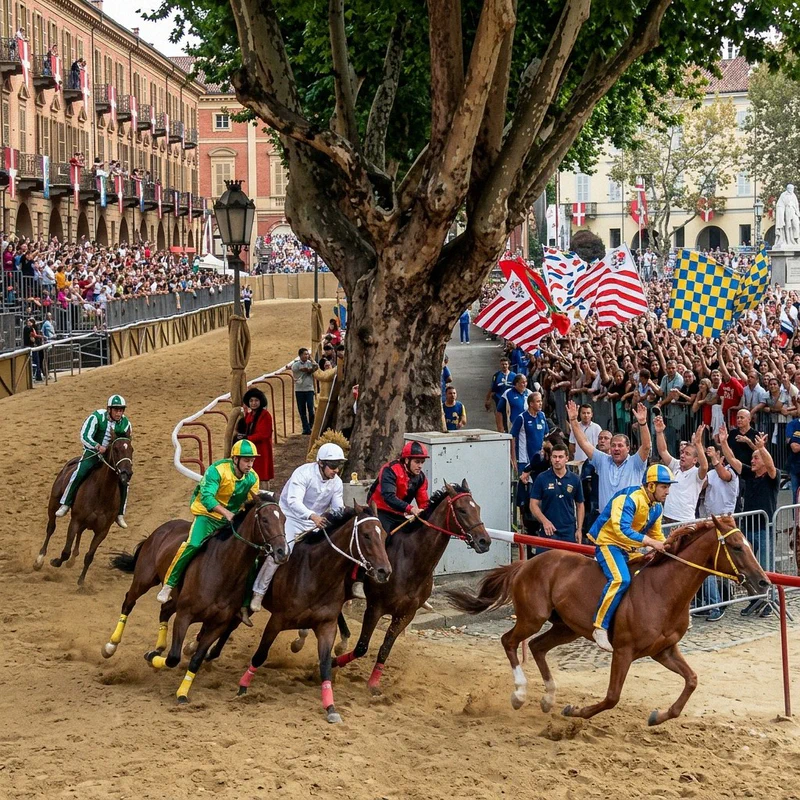
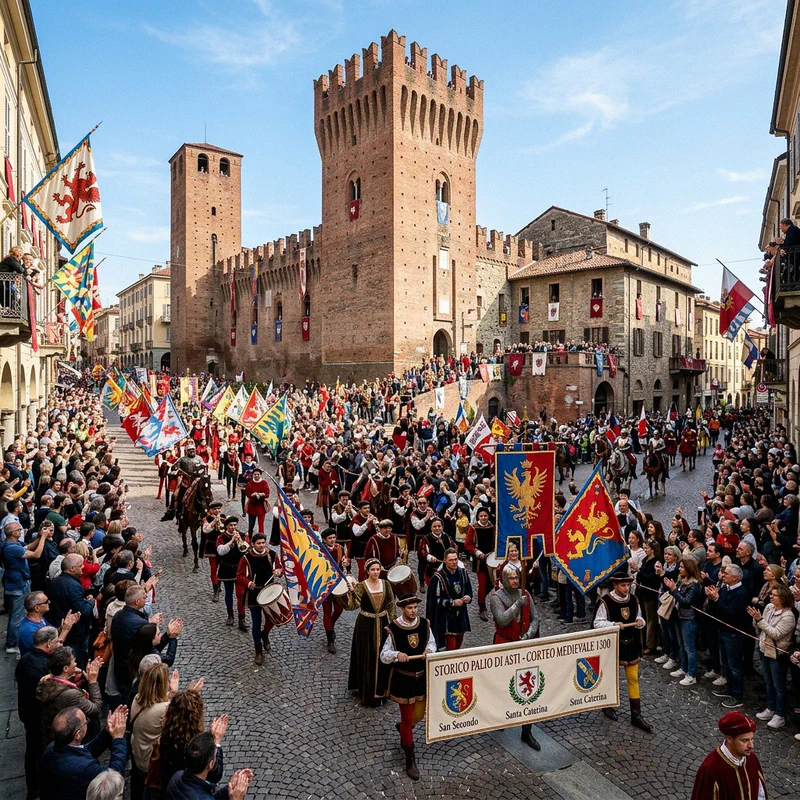
Over a thousand participants parade in meticulously crafted medieval costumes, accompanied by the sound of drums and the fluttering of district flags. If you’re looking for a different experience, dedicate a day to the surrounding Monferrato hills, visiting historic wineries carved into tuff (the famous ‘infernot’) in Nizza Monferrato or Canelli.
Asti and Siena: Two Souls of the Palio Compared#
For lovers of Italian historical reenactments, comparing the famous Palio of Siena with that of Asti is natural. While Siena enjoys unmatched global recognition, the Palio of Asti proudly claims the title of the oldest documented race in Italy, with written records dating back to 1275, when the people of Asti raced beneath the walls of rival Alba in mockery during a siege.
The differences between the two events highlight unique ways of experiencing tradition:
- The Track and the Race: In Siena, horses race in the arena of Piazza del Campo, a stone and tuff basin with steep, treacherous curves (like the famous San Martino curve). In Asti, the race takes place in the spacious triangular setting of Piazza Alfieri on a straight dirt track, favoring the pure speed of bareback horses over the acrobatics of Siena.
- The Participants: Siena sees 10 contrade competing out of 17 for each race. In contrast, Asti features 21 participants divided into three heats of seven horses each, culminating in a final of nine. This involves not only the city districts but also historic villages and neighboring municipalities, turning the event into a grand provincial celebration.
- The Satirical Prize: While in Siena the last-place contrada faces only the mockery of the square, in Asti, the last finisher is solemnly awarded the acciuga (or salad), a medieval satirical prize symbolizing a meager consolation for defeat.
Conclusion#
The Palio di Asti 2025 is not just a historical reenactment but a vibrant expression of the identity of this Piedmontese land. I hope this guide helps you uncover Asti’s best-kept secrets, away from the usual tourist routes. Take your time to wander slowly, breathe in the scent of tuff, and enjoy a glass of Barbera in silence. Safe travels through the hills of Monferrato!