
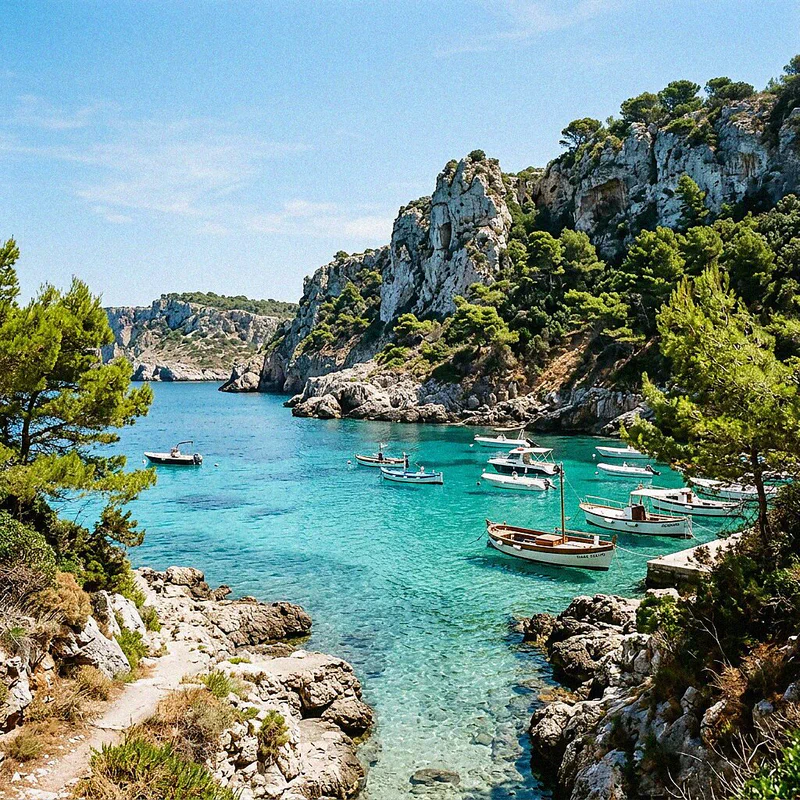
The Tremiti Islands. Just the sound of the name feels like a whisper of adventure, doesn’t it? This secret archipelago in the Adriatic Sea, floating 16-35 km off Puglia’s Gargano Peninsula, is one of Italy’s best-kept secrets. Most tourists never find this spot, bypassing it for Puglia’s more famous beaches or the ever-popular Amalfi Coast. But that’s exactly why you should go.
With five islands—San Domino, San Nicola, Capraia, Cretaccio, and Pianosa—the Tremiti Islands offer a rare mix of history, untouched nature, and crystalline waters. Bonus? They’re part of the Gargano National Park, meaning their rugged beauty is fiercely protected. Ready for a journey like no other? Let’s dive in.
How to Get to the Tremiti Islands#
First things first: you can only get to the Tremiti Islands by sea. No cars, no train stations, no tourist buses clogging the streets—just you, the sea breeze, and the promise of adventure.
Your journey begins at one of these mainland ports:
- Termoli (Molise): The most reliable option, with ferries running year-round. The trip takes 50 minutes to 1 hour 15 minutes. Look up NLG, Navi Tremiti, or GS Travel for schedules.
- Vieste (Puglia): Seasonal service, with a longer crossing time (50 minutes to 2 hours 10 minutes).
- Rodi Garganico (Puglia): Another seasonal option, with ferry journeys lasting about 1 hour 15 minutes.
- Peschici (Puglia): Ideal if you’re already exploring the Gargano Peninsula. Travel time? About 1.5 to 1 hour 50 minutes.
- Manfredonia (Puglia): The longest crossing at around 3 hours, but worth it if you’re staying in southern Gargano.
Ferries dock at San Domino (the largest island) and San Nicola (the historical heart). Pro tip: Book your tickets early in July or August to avoid disappointment—this is peak season for Italians in the know.
When to Visit and Where to Stay#
The best time to visit the Tremiti Islands? Late May to early June or September. You’ll skip the summer crowds (and the Instagram ‘influencers’ who love to clog the narrow alleys of San Nicola) while enjoying warm weather and clear waters.
For a place to stay, look no further than San Domino. It’s the only island with a decent selection of accommodations, from cozy B&Bs to charming hotels. My secret tip: Check out Hotel Gabbiano, a family-run gem with a fantastic restaurant serving fresh seafood caught that morning.
San Domino: Nature’s Playground#
San Domino is the island for adventurers. It’s the greenest of the group, covered in fragrant pine forests that seem to spill into the turquoise sea. Here’s what you can’t miss:
- Cala delle Arene: The archipelago’s only sandy beach. Perfect for a lazy afternoon of sunbathing.
- Grotta del Bue Marino: A sea cave so stunning it feels like stepping into a hidden world. Rent a kayak or join a boat tour to explore it.
- Colle dell’Eremita: Hike up this hill for panoramic views that will make you forget the crowds of mainland Italy even exist.
- Punta del Diavolo Lighthouse: A moody, windswept spot for sunset lovers and photographers alike.
When hunger strikes, head to Luna Matana for a plate of spaghetti alle vongole or Da Elio Fish Bar for a casual bite by the sea. My secret tip? Order a local favorite: seppie ripiene (stuffed cuttlefish) at Da Enrichetta. Trust me, it’s worth every calorie.
San Nicola: A Step Back in Time#
While San Domino is all about nature, San Nicola is steeped in history. This tiny island is like an open-air museum, dominated by the Abbey of Santa Maria a Mare, a fortified Benedictine monastery dating back to the 9th century.
Take your time wandering its ancient walls, but don’t miss:
- Badiali Castle: A fortress with sweeping views of the Adriatic. It’s a photographer’s dream.
- Angioina Tower and Crucifix Tower: Two medieval towers that add a touch of mystery to the island.
For lunch, grab a table at Il Torrione. This unpretentious spot serves up some of the freshest seafood I’ve ever tasted. My pick? The grilled octopus—so tender it practically melts in your mouth.
Capraia, Cretaccio, and Pianosa: The Wild Ones#
These islands are largely uninhabited, but they’re perfect for day trips if you’re craving total solitude.
- Capraia: Known for its wild cliffs and seabird nesting areas. Bring binoculars if you’re into birdwatching.
- Cretaccio: Little more than a giant rock, but it’s great for snorkeling.
- Pianosa: Off-limits to tourists without special permits, so it remains a tantalizing mystery.
If you want something different, rent a boat and explore these islands on your own. Just don’t expect luxury or facilities—this is raw, untamed beauty.
Insider Tips and Warnings#
- Pack Light: No cars are allowed on the islands, so you’ll be walking everywhere. Comfy shoes are a must.
- Cash Is King: Many smaller restaurants and shops don’t accept cards. Stock up before you board the ferry.
- Avoid Peak Hours: Ferries can get crowded in the mornings. Aim for an afternoon crossing to skip the rush.
And my biggest pet peeve? The dreaded coperto (cover charge) for stale bread at some restaurants. Make sure you ask before sitting down to avoid any unpleasant surprises.
Final Thoughts#
The Tremiti Islands are more than just a destination—they’re an escape. A place where time slows down, and the real Italy reveals itself in every stone wall, every sea breeze, and every bite of freshly caught fish.
If you’re looking for a truly off-the-beaten-path destination in Veneto, I’ve got just the thing for you. I recently wrote about the charming towns and villages of the Veneto region, but if you enjoyed this, you’ll love my other post about the Silent Shores of Serenity: Unveiling the Hidden Lagoons of Veneto That Tourists Forget. Uncovering Veneto’s Best Kept Secrets