Sardinia is not an island; it is a continent of rock and wind that tests you at every kilometer. If you are looking for the glamour of Porto Cervo, you have turned the wrong way. Here, time has a rhythm dictated by the slow breath of the sea carving the limestone. White cliffs plunge into the blue, vertical and indifferent to fleeting trends. You don’t mess with this landscape. For those interested in experiencing the island’s unique energy firsthand, I recommend visiting during the summer solstice, when the island comes alive with magic and enchantment. My colleague Sofia has a wonderful guide to navigating this special event, {{Unlocking Sardinia’s Summer Solstice Secrets}}.
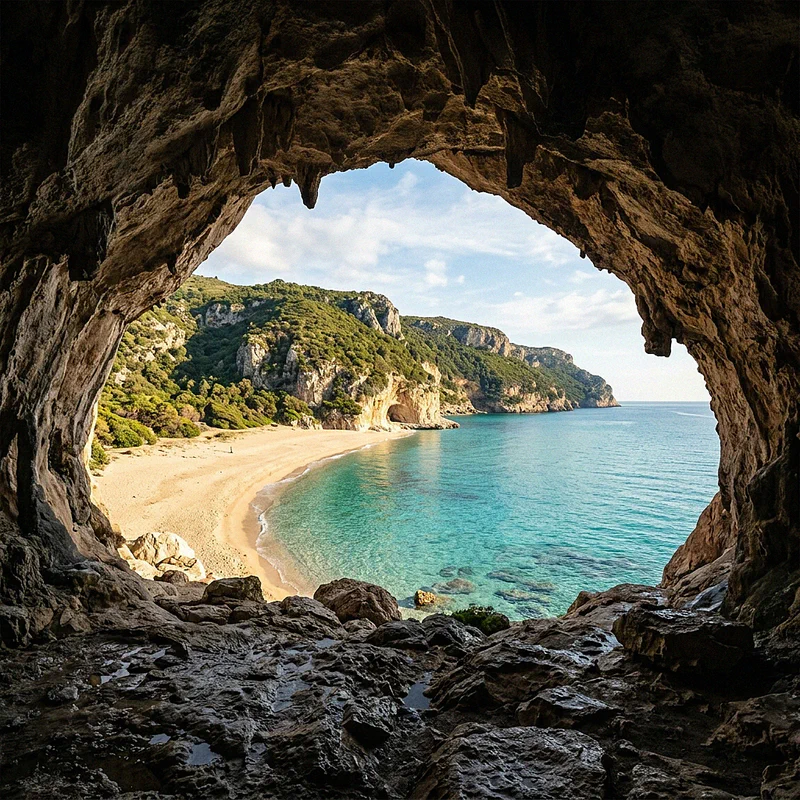
I am Luca, and I have spent the last few days chewing dust along the trails of the Supramonte. The air smells of wild myrtle and rubber scorched by the heat of the rocks under the sun. Reaching Cala Luna on foot is a rewarding journey, though many choose the easier boat ride from Cala Gonone. While summer brings crowds and a small refreshment stand, out of season you’ll find the millennial silence of caves looking out at the horizon. It is a raw and honest place.
The Trail of Effort: from Cala Fuili to Cala Luna#
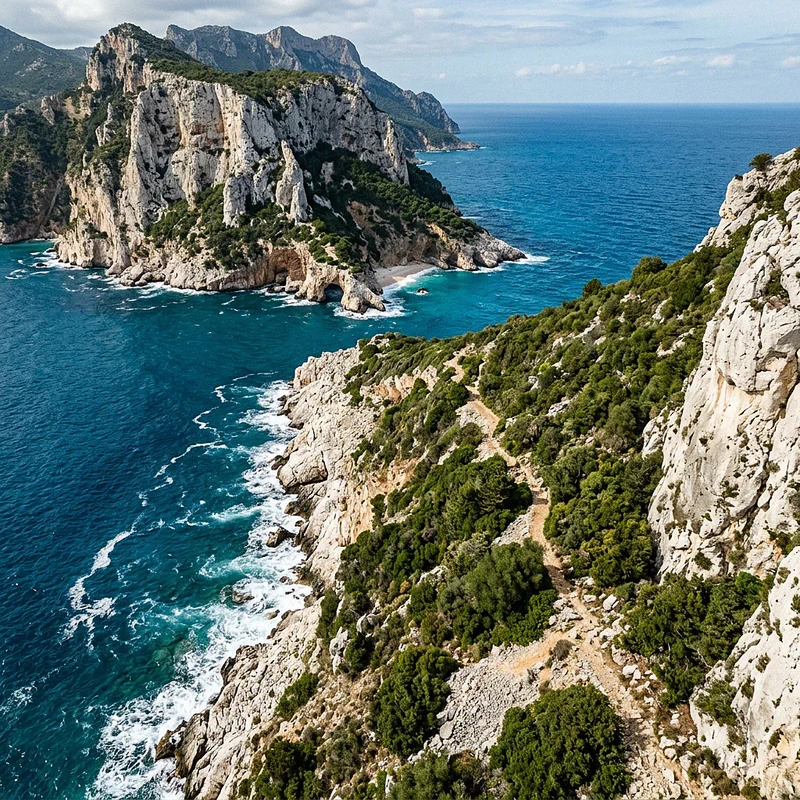
My favorite way to reach this gem is by land, starting from Cala Fuili. It is a trek of about two hours that winds through the densest and most fragrant Mediterranean macchia on the island.
The trail is a labyrinth of limestone and juniper roots that requires solid legs and a pinch of determination. Once you clear the last bend, the view of the beach from above takes your breath away, with that crescent of golden sand that looks painted between the green of the vegetation and the blue of the water. It reminded me a lot of the wild spirit I found last year in Marettimo, in the most remote heart of the Egadi, where rock and silence rule in the same way. It’s a different sea, but with the same rugged soul.
Things that annoy me: tourists in flip-flops#
Here is my local warning: those who think they can tackle this trail in pool flip-flops. Sardinian rock is sharp as a razor and does not forgive superficiality; please, wear serious hiking boots or stay on the boat. Respect for the territory starts with the shoes you wear.
Ghosts in the Blue: the Grotta del Bue Marino#
Just around the corner from Cala Luna lies the entrance to another world: the Grotta del Bue Marino. It owes its name to the monk seal (“sea ox”), which until the 1980s chose these water galleries to give birth to its young.
Today the seal is gone, but what remains is a labyrinth of stalactites and stalagmites reflecting in underground lakes of incredible transparency. You can visit it with the large boats departing from Cala Gonone, which often make a technical stop right here before dropping you off at Cala Luna. It is a ghostly and beautiful experience, where the sound of the sea transforms into a deep and rhythmic echo. If you are lucky, the morning light creates patterns of reflections on the walls that look like water hieroglyphs.
Beyond the Sea: the Supramonte and the Gorropu Gorge#
If after a day of salt you crave a different kind of vertigo, turn your back to the sea and look inland. Here opens the Supramonte, a land of shepherds and legends that hides the Gorropu Gorge.
It is one of the deepest canyons in Europe, with walls exceeding 500 meters in height and boulders polished by the river that look like giant eggs. The silence here is different from that of the sea caves; it is a mountain silence, dry and interrupted only by the flight of some golden eagle. It is a demanding trek that will make you understand how Sardinia is actually an island of land, more than water. Bring a wide-brimmed hat, because the sun in the canyon is unforgiving.
Dorgali and the Red of the Oddoene Valley#
Returning to civilization, stop in Dorgali, a village that guards the artisan soul of this region. Walking through the narrow streets, the prevailing sound is that of silence, interrupted only by the distant hum of some filigree or leather workshop.
Stop at a local bakery for freshly baked pane carasau; its crunch is the authentic sound of rural Sardinia. My insider tip? Head to the Oddoene Valley for a Cannonau tasting directly from small local producers. It is a wine that tastes of sun and hard earth, perfect to accompany a plate of culurgiones with sauce or the classic porceddu roasted on a spit.
Sardinia gives you nothing for free, but it gives you back everything you have lost in civilization. You have to know how to listen to the sound of the pebbles sucking the wave inside the caves. The rock is in no hurry, and after an hour here, you won’t be either. It is a return to the bone of the earth.
If you’re looking for more serene and secluded destinations in Italy, I recommend checking out the hidden lagoons of Veneto. As I wrote in my previous post, the region is full of natural beauty, but some of its most stunning spots often get overlooked by tourists. If you enjoyed this, you’ll love my other post about the Silent Shores of Serenity: Unveiling the Hidden Lagoons of Veneto That Tourists Forget Exploring the Hidden Gems of Veneto.