Since I wrote this, my colleague Alessandro has recently published a fascinating article, The Silent Labyrinth: Exploring the Underground Wonders of Naples and its Greco-Roman Secrets, which I highly recommend exploring. His journey has left me inspired to delve deeper into the history and culture of our beloved Italy.
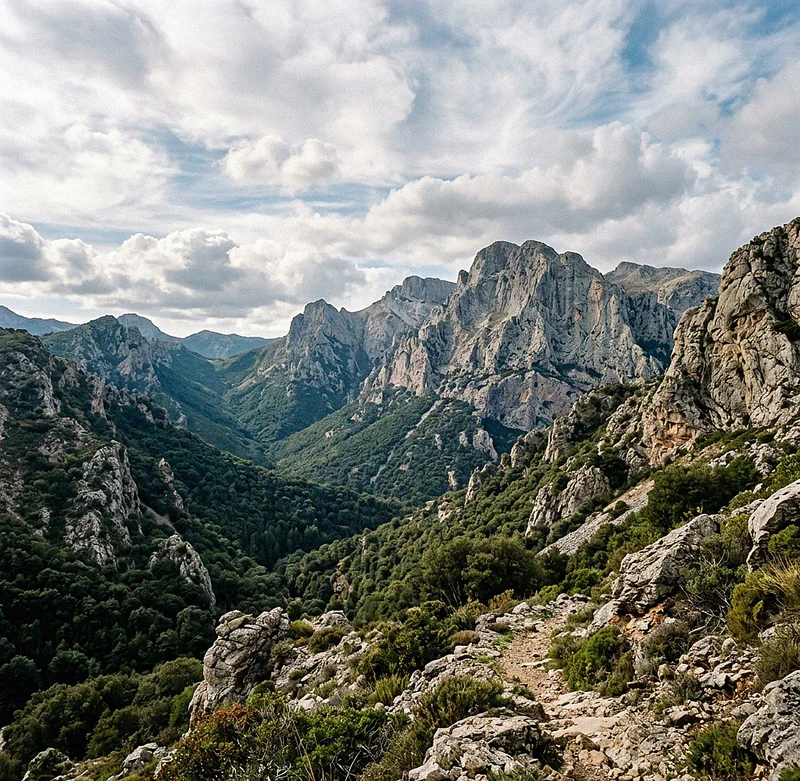
Most tourists never find this spot, dismissing Sardinia as merely a beach destination. They couldn’t be more wrong. Barbagia, a vast, rugged region nestled in the heart of the island, stretching across the slopes of the Gennargentu Mountains, is the real Italy I live for. It’s a land of dramatic landscapes, formidable peaks, deep gorges, and a culture so rich and authentic it will make your soul sing. This is where the Sardinian spirit was forged, a place of proud shepherds, ancient rituals, and hospitality as warm as the Mediterranean sun, which I’ve fallen in love with time and time again, as I wrote in my guide to discovering the hidden gems of the Mediterranean.

Why Barbagia? Escape the Postcard and Live the Legend#
As I reflect on my previous words, I’ve discovered that my colleague Sofia has since shared her own experiences in a more recent article, The Silent Serenade of Lake Iseo: A Romantic Escape to Monte Isola. Her account has reminded me that exploring off the beaten path can often lead to the most unforgettable Italian escapades, and destinations like Barbagia, with its rugged landscapes and rich cultural heritage, offer a unique opportunity to experience Italy’s diverse and vibrant regions.
Forget the glossy brochures. Barbagia is raw, a testament to Italy’s untamed beauty, a quality that I think is reminiscent of other regions in Italy. The Romans themselves called it Barbaria because it was unconquerable, a testament to its wild nature and the fierce independence of its people. This isn’t just a geographical region; it’s a state of mind. Here, you’ll find a Sardinia that refuses to be tamed, where the rhythm of life is dictated by centuries-old traditions, and every village tells a story. Update: My colleague Marco recently published a guide to a similarly captivating region, which you can explore through the linked post, and it’s a great complement to the wild beauty of Barbagia.
My secret tip is to embrace the unexpected here. Don’t come with a rigid itinerary. Come with an open heart, a sense of adventure, and a willingness to get a little lost (in the best possible way, of course!).
The Beating Heart: Villages Frozen in Time#
Barbagia isn’t one place but a collection of unique villages, each with its own distinct character and history. Let’s dive into a few of my absolute favorites:
Orgosolo: The Murals That Speak Volumes#
Ah, Orgosolo! This village, perched amidst the rugged mountains of Gennargentu, is an open-air gallery, a living canvas where the walls literally speak. More than 150 vibrant murals adorn the buildings, telling tales of local life, political struggles, social injustices, and global events.
My first visit to Orgosolo was a revelation. I remember walking down Via Francesco Ciusa, a narrow, winding street, and stopping dead in my tracks before a mural depicting a shepherd’s protest, his face etched with determination. These aren’t just pretty pictures; they’re powerful statements, born from a history of social discontent and a desire to give voice to the voiceless. The first mural appeared in 1969, created by an anarchist theatrical troupe from Milan. Later, a local teacher, Francesco Del Casino, played a pivotal role in encouraging students and artists to continue this unique form of expression. You’ll find everything from tributes to communist leaders like Che Guevara to poignant criticisms of global conflicts and environmental issues.
- Luca’s Insider Tip: Grab a coffee at Bar Centrale in Piazza IV Novembre and just watch the world go by. Then, take your time wandering the streets. The murals are everywhere, not just on the main drag. Don’t rush; let the stories unfold. The local tourist office often has free maps to guide you.
- Must-See: The mural depicting the “Pratobello Revolt” of 1969, a peaceful protest where locals prevented a military base from being built on their communal land.
Mamoiada: Echoes of Ancient Rhythms#
Just a short drive from Orgosolo, Mamoiada feels like stepping into a prehistoric dream. This village is famous for its ancient carnival tradition and its mysterious masked figures: the Mamuthones and Issohadores. The Mamuthones, clad in dark sheepskins with grotesque wooden masks and heavy cowbells on their backs, move with a slow, rhythmic gait, shaking their bells in a mesmerizing, almost trance-like dance. The Issohadores, in their red jackets and white masks, guide the Mamuthones with lassos.
I was lucky enough to witness the Sant’Antonio Abate festival in January once, when these figures first make their appearance. The air vibrated with the sound of bells, a primal rhythm that connects you directly to Sardinia’s pagan past. It’s an experience that chills you to the bone and fills you with wonder simultaneously.
- My Secret Tip: Visit the Museo delle Maschere Mediterranee (Museum of Mediterranean Masks) in Piazza Europa. It’s a fantastic place to understand the history and significance of these masks, not just from Mamoiada but from other Mediterranean cultures. They often have workshops where you can see masks being carved. The museum is open Tuesdays to Sundays, from 9:00 to 13:00 and from 15:00 to 19:00.
- Don’t Miss: A wine tasting! Mamoiada is also a center for Cannonau wine production, a robust red that perfectly complements the hearty local cuisine. Seek out a small, family-run vineyard for a truly personal experience.
Oliena & Supramonte: Nature’s Grand Stage#
North of Mamoiada lies Oliena, a charming town nestled at the foot of Monte Corrasi, the highest peak of the Supramonte massif. This area is a paradise for hikers, climbers, and anyone seeking breathtaking natural beauty. The Supramonte is a vast limestone massif characterized by dramatic karst formations, deep gorges, and extensive cave systems.
One of my most exhilarating adventures was hiking to the Gorropu Canyon, often called “Europe’s deepest canyon.” The walls soar up to 500 meters high, carved by the Rio Flumineddu river. It’s a challenging but incredibly rewarding hike. I remember feeling tiny and insignificant amidst those colossal rock faces – a truly humbling experience. The canyon is divided into sections: Green (easy), Yellow (more climbing), and Red (for experienced climbers with equipment). You can explore the green and yellow sections on your own.
- Luca’s Insider Tip: For Gorropu, start early, especially in warmer months. There are different access points; the easiest is often from the Dorgali side, or from Passo di Genna Silana. Wear sturdy shoes, bring plenty of water, and be prepared for some scrambling over boulders. An entrance fee of around €5-6 is usually required.
- Taste This: Oliena is famous for its “Nepente” wine, a Cannonau that the poet Gabriele D’Annunzio famously described as an elixir that could “erase grief.” Find a local cantina (winery) like Cantina Oliena for a tasting.
Fonni: Sardinia’s Alpine Secret#
If you want something different, head to Fonni, the highest village in Sardinia, sitting at around 1,000 meters above sea level on the slopes of the Gennargentu. In winter, it’s the only place on the island where you might even find skiing! Imagine, snow in Sardinia!
Fonni offers a completely different vibe from the coastal towns. It’s a true mountain escape, with stone houses, crisper air, and a strong pastoral heritage. I stumbled upon a small, unassuming trattoria here once, and had the most incredible culurgiones (Sardinian dumplings, often filled with potato, cheese, and mint) and roasted porceddu (suckling pig) – simple, hearty food that embodies the soul of Barbagia.
- My Secret Tip: Explore the old town on foot. The streets can be narrow, so park your car further down. You’ll find beautiful murals here too, often depicting scenes of rural life and religious festivals, a contrast to Orgosolo’s political art.
- Nature’s Call: Fonni is a fantastic base for exploring the Gennargentu National Park and hiking to Punta La Marmora, the highest peak in Sardinia.
Authentic Local Experiences: Beyond the Sights#
Barbagia isn’t just about what you see; it’s about what you feel and taste.
The Food: A Feast for the Soul#
Sardinian cuisine, especially in Barbagia, is a celebration of its pastoral and agricultural roots. It’s robust, flavorful, and deeply connected to the land.
- Pane Carasau: Often called “music paper bread,” this thin, crispy flatbread is a staple. Try it pane guttiau, warmed with olive oil and salt – it’s addictive! Or pani frattau, layered with tomato sauce, pecorino, and a poached egg.
- Porceddu: The famous roasted suckling pig, cooked slowly over a myrtle wood fire until the skin is crackling and the meat is tender. This is a must-try, often served at agriturismos.
- Culurgiones: Hand-pinched pasta dumplings, typically filled with potato, pecorino cheese, and mint, served with a simple tomato sauce and grated pecorino. Each family, each village, has its own subtle variation.
- Pecorino Sardo: Sardinia is famous for its sheep’s cheese. Try both the young, fresh Pecorino and the aged, pungent Fiore Sardo.
- Nepente di Oliena: As mentioned, this Cannonau wine is the perfect accompaniment to any Barbagian meal.
My secret tip for dining? Skip the fancy restaurants. Seek out an agriturismo. These farm stays often offer traditional meals made with ingredients sourced directly from their land. It’s a true farm-to-table experience and the best way to taste the real Barbagia.
Festivals and Traditions#
The Barbagia region is alive with ancient festivals that have been celebrated for centuries. Beyond the Mamuthones and Issohadores of Mamoiada, keep an eye out for:
- Cortes Apertas (Open Courtyards): This festival, held across various Barbagia villages from September to December, is a fantastic way to experience local culture. Villagers open their homes and courtyards, showcasing traditional crafts, food, and music. It’s a genuine invitation into their world.
- Sagra delle Castagne (Chestnut Festival): In autumn, villages like Desulo and Aritzo celebrate the chestnut harvest with lively festivals, offering roasted chestnuts, local sweets, and traditional drinks.
Practical Tips for the Adventurous Traveler#
Getting to and exploring Barbagia requires a bit of planning, but trust me, it’s worth every effort.
- How to Get There:
- By Air: Fly into Cagliari (CAG) or Olbia (OLB).
- By Car (Highly Recommended!): Barbagia is best explored by car. Public transport is limited, and having your own wheels gives you the freedom to discover hidden corners. From Cagliari, it’s about a 1.5 to 2-hour drive. From Olbia, it’s roughly 1.5 hours to the northern parts of Barbagia. Rent a car at the airport.
- By Bus: You can reach Nuoro, the provincial capital and gateway to Barbagia, by bus from major cities like Cagliari. However, getting to the smaller villages from Nuoro without a car can be challenging.
- Best Time to Visit:
- Spring (April-May): Lush greenery, wildflowers, pleasant temperatures for hiking, and fewer crowds.
- Autumn (September-October): Ideal for hiking, cooler weather, grape harvests, and the “Cortes Apertas” festivals.
- Summer (June-August): Can be hot, but the higher altitudes offer some respite. Perfect for those who want to combine mountain exploration with a few days on the nearby coast (e.g., Gulf of Orosei).
- Winter (November-March): Colder, with a chance of snow in the highest peaks (like Fonni). Great for a cozy, authentic experience, but some roads or trails might be less accessible.
- Where to Stay:
- Agriturismos: This is my top recommendation. Staying on a working farm provides an immersive experience, often including delicious home-cooked meals. Look for them in the villages around Orgosolo, Mamoiada, and Oliena.
- Local B&Bs: Charming and often family-run, offering a glimpse into local life.
- Hidden Booking Secrets: Many of the best agriturismos and small B&Bs aren’t heavily advertised online. My secret tip is to search Google Maps for “agriturismo + [village name]” and then call them directly. Sometimes, a direct call or email will secure you a better rate or a spot that isn’t listed on major booking sites. Don’t be afraid to practice a little Italian!
- What to Pack: Sturdy hiking boots, layers of clothing (even in summer, mountain evenings can be cool), a good map (signal can be spotty), a reusable water bottle, and a camera with plenty of space for photos.
- Language: While Italian is spoken, Sardinian is still very much alive here. Learning a few phrases like “Ciao” (hello), “Grazie” (thank you), and “Per favore” (please) will go a long way. Locals appreciate the effort!
My Final Thoughts#
Barbagia is more than a destination; it’s an education, a journey back to the roots of an ancient culture. It’s a place where you don’t just observe; you participate. You eat, drink, and breathe the history. If you want something different from the usual tourist traps, if you crave authenticity and the thrill of discovery, then pack your bags and set your sights on Sardinia’s untamed heart.
Come, let’s wander these wild mountains, share a meal with a shepherd, and discover the secrets that most tourists never even realize exist. This is the real Sardinia, amici, waiting for you to uncover its magic.