
Ciao, my food-loving friends! I’m Giulia. Florence is not just a Renaissance city of art; it is a living, breathing canvas of flavors, aromas, and culinary traditions that whisper stories of generations. Every time I visit, I fall a little more in love with its gastronomic soul.
Forget the tourist traps with their frozen pizzas and plastic-wrapped paninis. Today, we are diving into the heart of the most authentic Florentine cuisine—the kind that would make my nonna nod in approval!
If you want to experience Florence when it is at its most vibrant and patriotic, you must read my colleague Sofia’s guide to the Festa della Repubblica in Florence, where the city’s heritage is celebrated in every piazza.
The Morning Magic of Sant’Ambrogio Market#
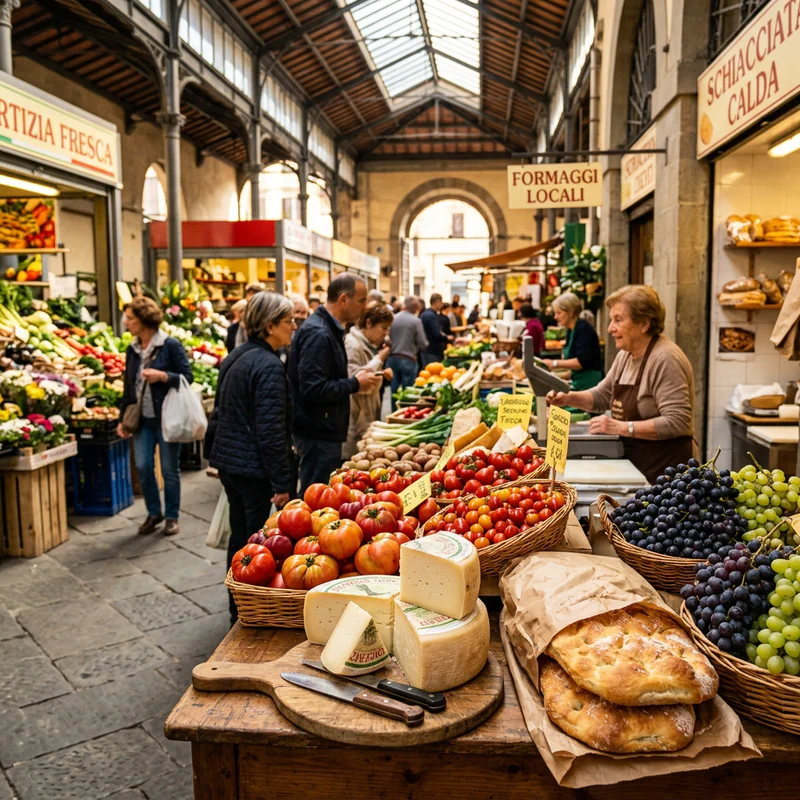
Our culinary journey begins early in the morning at the Mercato di Sant’Ambrogio. While the Central Market gets all the fame (and the crowds), Sant’Ambrogio is where the real Florentines do their shopping. The air is thick with the scent of fresh herbs, ripe tomatoes, and artisanal cheeses.
Grab a freshly baked schiacciata from a local bakery—a simple yet divine focaccia, drizzled with local olive oil. My nonna always said, “Giulia, the best breakfast is the one that still smells of the oven.” Look for seasonal specialties, like porcini mushrooms in the fall or fresh artichokes in the spring.
If you enjoy these kinds of authentic, local markets where the soul of the city is on display, you’ll love my guide to the street food of Palermo.
Lunch Legends: Lampredotto and Ribollita#
No trip to Florence is complete without tasting lampredotto. Yes, it is tripe, specifically the fourth stomach of the cow. But believe me, from a real lampredottaio cart, it is a revelation. Served on a crusty roll dipped in its own broth, with a generous dollop of salsa verde—it is street food perfection.
My biggest pet peeve? Seeing people order lampredotto and then asking for ketchup! Per favore, no! It needs the heat of the chili oil and the freshness of the parsley sauce, nothing else.
For something heartier, look for a traditional ribollita. This thick Tuscan bread and vegetable soup, enriched with black kale (cavolo nero), is a testament to cucina povera (poor man’s cuisine). My favorite spot for authentic ribollita is Trattoria Mario. Be prepared to share a table and hear the lively chatter of locals!
If your journey through Tuscany makes you curious about the broader map of Italian tradition, my colleague Elena has a wonderful guide to the coastal charm of Sperlonga.
Afternoon Indulgence and the Bistecca Ritual#
After all those savory delights, it’s time for something sweet. Skip the gelaterias with tower-high displays of neon-colored gelato. Instead, look for gelaterias like La Carraia where the colors are muted and the ingredients are natural.
As evening falls, it’s time for the undisputed king: the Bistecca alla Fiorentina. This thick T-bone steak, cooked over charcoal and seasoned simply with salt and pepper, is an experience in itself.
Giulia’s Tip: Never ask for your Bistecca to be “well done.” The chef might actually cry! A real Fiorentina must be rare (al sangue), allowing the quality of the Chianina beef to shine.
For an unforgettable dinner, I highly recommend Trattoria Sabatino. It’s a bit off the main path, family-run, and offers dishes that taste like my nonna’s kitchen.
Florence’s culinary scene is a celebration of simplicity and tradition. Bring your appetite, respect the ingredients, and let the city feed your soul.
Buon appetito, and look for the “Nonna-approved” signs!
With love, Giulia#
Continue your journey discovering the Etruscan mysteries of Chiusi.