
Savoring the Flavors of the Mountains: A Culinary Journey Through Valle d'Aosta's Traditional Walser Cuisines

·2274 words·11 mins

Ciao, amici! Giulia here, and today, we’re embarking on a journey that truly stirs my soul and awakens the senses: a culinary exploration into the heart of Valle d’Aosta, specifically focusing on the incredibly rich and often overlooked Walser cuisine. If you’re as enchanted as I am by the unique flavors and traditions of this region, be sure to check out my other post, where I take you on a more in-depth culinary journey through the region’s traditional Walser cuisines. Update: My colleague Martina recently published a guide to tackling the rugged peaks of Italy, including an epic adventure through the 2026 Giro d’Italia’s most challenging routes Conquering the Toughest Peaks in Italy, which got me thinking about the parallels between the strong flavors of Walser cuisine and the unrelenting spirit required to conquer these formidable peaks. Forget the usual tourist traps; we’re going deep into the mountains, where traditions are as solid as the peaks themselves and flavors tell stories of resilience, community, and an unbreakable bond with the land.

Valle d’Aosta, Italy’s smallest and least populated region, is a hidden gem tucked between the soaring peaks of France and Switzerland. Here, the air is crisp, the valleys are lush green in summer and blanketed in pristine white in winter, and the cows grazing on alpine pastures produce milk that transforms into some of the most extraordinary cheeses you’ll ever taste. Since writing this, Martina explored the lesser-known trails of the nearby Dolomites, revealing a summer adventure that’s a must-not-miss for outdoor enthusiasts. If you’re eager to discover the uncharted trails that the Dolomites have to offer, be sure to check out Hiking the Uncharted Trails of the Dolomites: A Summer 2026 Adventure.
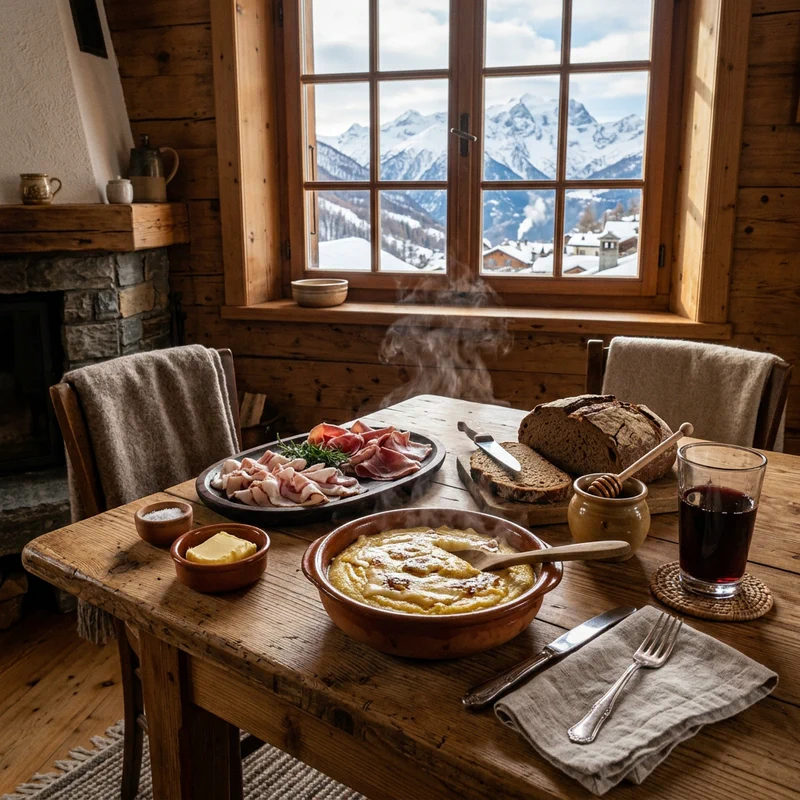
A rustic table laden with traditional Walser dishes, including polenta concia, cured meats, and Fontina cheese, set against a backdrop of the Valle d'Aosta mountains.
The true soul of Valle d’Aosta lies in its hearty, honest mountain fare, a testament to centuries of tradition and local ingredients.

But it’s the Walser people, who settled here from German-speaking Switzerland between the 10th and 13th centuries, who truly captured my culinary imagination. Their cuisine is a testament to survival in a harsh mountain environment, born from necessity but perfected with generations of love and ingenuity. It’s a cuisine of hearty simplicity, where every ingredient is cherished, and every dish is designed to warm you from the inside out. My nonna always told me, “The secret is in the ingredients, Giulia, always the ingredients!” As Sofia recently explored in her article about the region’s unique charm, Valle d’Aosta is a place where the natural beauty of the mountains is not just a backdrop, but an integral part of the culinary experience. For a deeper dive into the region’s most romantic mountain escapes, be sure to check out my colleague Sofia’s guide to Skiing Under the Stars in Valle d’Aosta.

Understanding the Soul of Walser Cuisine
#

Walser cuisine is deeply rooted in self-sufficiency, utilizing the bounty of the mountains: dairy, cured meats, grains like rye and buckwheat, potatoes, and wild game. Unlike other parts of Italy where olive oil reigns supreme, here, butter and lard are the stars, adding an incredible richness and depth to every dish. It’s a cuisine that celebrates what’s local, seasonal, and utterly authentic. You won’t find delicate, light dishes here; instead, expect robust, comforting flavors that speak of cozy evenings by a crackling fire after a day spent in the crisp mountain air.

The Stars of the Walser Pantry: Ingredients That Sing
#

To truly appreciate Walser cuisine, you must understand its foundational ingredients. These are not just foods; they are the very essence of the Valle d’Aosta mountains.

  • Fontina DOP: Ah, Fontina! If there’s one cheese that embodies Valle d’Aosta, it’s this magnificent DOP (Denominazione d’Origine Protetta) cheese. Made from the milk of local Valdostana Pezzata Rossa cattle grazing on alpine herbs, Fontina is a melting dream. Its elastic consistency and flavor, ranging from sweet and buttery to earthy with notes of dried fruit depending on its age, are simply divine. My nonna always said a true Fontina should smell of the mountain pastures, not a plastic wrapper – and she was right! Avoid anything less than authentic; the imitations are a culinary crime.
  • Lard d’Arnad DOP: This delicate, melt-in-your-mouth cured pork fat is aged in traditional wooden dolis with salt and mountain herbs. Served thinly sliced with warm rye bread, perhaps a drizzle of chestnut honey, it’s an aperitivo that will transport you straight to alpine heaven.
  • Jambon de Bosses DOP: A rare and ancient raw mountain ham, flavored with juniper, pepper, garlic, sage, and other native herbs, then aged for months on a bed of hay at high altitudes. Its aroma is intoxicating, its flavor subtly salty and complex.
  • Toma di Gressoney: Another exquisite semi-hard cow’s milk cheese, often found in the Lys Valley, a true Walser heartland. It’s perfect with local salumi or stirred into hot polenta.
  • Rye Bread (Pan Ner): This dark, slightly acidic rye loaf is a staple, historically baked only once a year at the beginning of winter. Its dense texture is perfect for soaking up rich stews and complementing savory cheeses.
  • Potatoes and Buckwheat: With wheat being less common in traditional Valdostan cuisine, potatoes, cornmeal, rye, and buckwheat form the basis for many hearty dishes, including gnocchi and polenta.
  • Wild Game & Mountain Herbs: Chamois, venison, and other game meats are often featured, prepared in rich stews. The mountain herbs infuse everything with a unique, earthy fragrance.

Signature Dishes You Haven’t Truly Lived Until You’ve Tasted…
#

Here are the dishes that define Walser and broader Valdostan mountain cuisine, each a masterpiece of comfort and flavor:

  • Fonduta Valdostana: You haven’t truly lived until you’ve tasted a proper fonduta. This isn’t your average Swiss fondue; the Valdostan version is an ultra-rich, velvety dream made with copious amounts of Fontina DOP, egg yolks, and milk, often without wine or garlic. It’s traditionally served with crisp cubes of local rye bread or sometimes potato gnocchi. The way the warm, gooey cheese coats your palate is simply unforgettable.
  • Polenta Concia: A decadent, soul-warming dish of cornmeal cooked with generous amounts of butter and Fontina cheese, often baked until bubbling and golden. It can be a first course or a glorious accompaniment to carbonada. It’s rustic, rich, and utterly satisfying, a true hug in a bowl.
  • Seupa à la Vapelenentse (Valpelline Soup): Don’t let the name “soup” fool you; this is a hearty, almost solid dish. Layers of stale rye bread, Savoy cabbage, and Fontina DOP are baked with rich beef stock until golden and bubbling. It’s a prime example of cucina povera (peasant cuisine) elevated to an art form, a testament to making something extraordinary from humble ingredients.
  • Carbonada Valdostana: A rich, slow-cooked beef stew, traditionally made with onions, red wine, and aromatic herbs like sage, bay leaf, thyme, and sometimes juniper berries. The beef becomes meltingly tender, and the sauce is perfect for spooning over creamy polenta.
  • Costolette alla Valdostana: Breaded veal cutlets filled with Jambon de Bosses and Fontina cheese, then pan-fried until golden. It’s a hearty, flavorful dish that showcases the region’s best products.
  • Chnéfflenes and Chnolles: These are specific Walser delicacies from the upper Lys Valley (Gressoney-Saint-Jean). Chnéfflenes are small batter dumplings served with melted cheese, sour cream, and speck, or braised onions. Chnolles are cornmeal dumplings, often served in a pork broth. These are the tastes of ancient tradition, rarely found outside their native valleys.
  • Tegole Valdostane: For something sweet, these delicate, paper-thin almond and hazelnut wafers are a regional specialty. Light and crisp, they’re perfect with a crema di Cogne or simply a good espresso.

Where to Find the True Flavors: My Nonna-Approved Trattorias and Hidden Gems
#

To truly experience Walser cuisine, you need to venture into the valleys where it thrives. These are not always Michelin-starred establishments, but rather family-run trattorias and rifugi (mountain huts) where the recipes have been passed down for generations.

In the Gressoney Valley (Lys Valley): This is the heart of Walser culture in Valle d’Aosta.

  • Trattoria Hirsch Stube (Località Tache, Gressoney-La-Trinité): Tucked away in the hamlet of Tache, this trattoria is known for its warm, welcoming hospitality and typical Valdostan cuisine. They often feature dishes like zuppa alla Valdostana and regional specialties. It’s the kind of place where you feel like you’re dining in a local home.
  • Ristorante Morgenrot (Località Bedemie, 11, Gressoney-La-Trinité): Surrounded by meadows (or snow in winter!), this restaurant is highly regarded for its refined take on traditional Valdostan and Piedmontese cuisine. They even offer snowcat transport for special high-altitude dinners in winter, a truly magical experience!
  • Osteria Petit (Gressoney-La-Trinité): A delightful culinary gem known for capturing the essence of traditional Aosta Valley cuisine with a warm and inviting atmosphere. Their small menu focuses on honest prices and delicious, hearty meals.

In the Ayas Valley (Champoluc & Antagnod): Another stunning valley with strong culinary traditions.

  • Rifugio Vieux Crest (Champoluc, Val d’Ayas): This rifugio, located at 1,938m in the heart of an ancient Walser village, offers breathtaking views and authentic local dishes. Easily reachable by cable car from Champoluc, it’s a perfect stop after a hike or ski, serving traditional Valdostan cuisine. My nonna would approve of their hearty mountain meals and the genuine hospitality.
  • Ristorante Le Sabot (Route De La Traversa 4, Champoluc): Known for its cozy, rustic ambiance and traditional Aosta Valley dishes like polenta, fondue, and carbonada. It’s a family-friendly spot that truly embodies the spirit of mountain dining.
  • Agriturismo La Tchavana di Metsan (Alpe Metzan, Ayas): Agriturismi are always my top recommendation for an authentic experience. This one is known for its local products and homemade specialties, often sourced directly from their farm.

In Aosta City (for a broader taste of Valdostan cuisine): While not strictly Walser, the regional capital offers excellent traditional Valdostan options.

  • Osteria da Nando (Via Sant’Anselmo, 99, Aosta): This historic osteria, open since 1957, is a true institution in Aosta. They serve traditional cuisine in a warm, intimate atmosphere, and their fonduta with DOP Fontina is legendary. It’s included in the Michelin Guide for its simple yet skillful cooking.
  • Ristorante La Rustichella (Via Monte Emilius, 22, Aosta): This place embodies the cozy feel of a traditional Italian farmhouse. They are celebrated for their extensive range of local cheeses and cured meats, and their Polenta concia is a must-try.

Practical Tips for the Discerning Foodie
#

To make your culinary journey through Valle d’Aosta truly unforgettable, heed these insider warnings and nonna-approved tips:

  • How to Get There: While Aosta itself has a train station (though sometimes affected by construction, with bus replacements), for truly exploring the hidden valleys and Walser villages, a car is highly recommended. The roads are well-maintained, but be prepared for curves and potentially snow in winter. If relying on public transport, trains connect to Aosta from Turin and Milan (with a change at Chivasso or Ivrea), and then local buses serve the valleys.
  • Best Time to Visit:
    • Winter (December-March): A magical time for cozy, hearty food, skiing, and snow-capped scenery. Many mountain rifugi offer special dinners with snowcat transport.
    • Autumn (September-November): My personal favorite! The foliage is stunning, the air is crisp, and it’s harvest season, meaning fresh apples, pears, walnuts, and chestnuts. Fewer crowds and perfect for scenic drives and food festivals.
    • Summer (June-August): Ideal for hiking and enjoying fresh mountain produce. The valleys are green, and outdoor activities abound.
    • Spring (April-May): Witness the mountains reawaken with blooming wildflowers. Milder weather, fewer crowds, and great for hiking.
  • Hidden Booking Secrets: For smaller, family-run trattorias, especially in the more remote villages, always call ahead, especially for dinner. Don’t expect elaborate websites or online booking systems. A phone call, even with a little broken Italian, goes a long way.
  • “Nonna-Approved” Dining Etiquette:
    • Embrace the Pace: Dining here is a slow, cherished experience. Don’t rush. Savor every bite, every conversation.
    • Ask for the Piatto del Giorno (Dish of the Day): This is where you’ll often find the freshest, most seasonal, and truly authentic creations.
    • No Cappuccino After 11 AM! This is one of my biggest pet peeves! A cappuccino is a breakfast drink. After lunch or dinner, it’s an espresso, or perhaps a caffè corretto with a splash of grappa, especially after a hearty mountain meal. Ordering a cappuccino later is simply not done in Italy.
    • Say “No” to Generic: If you see a menu with pictures and a dozen different types of pasta that seem out of place in the mountains, walk away. You’re looking for places that highlight local ingredients and traditional recipes. I shudder at the thought of overcooked pasta in a “tourist menu” when the region offers such incredible local alternatives!
    • Appreciate the Cheese: A true Fontina should be celebrated. Avoid places that offer generic “cheese platters” without naming the local gems. Ask for Toma di Gressoney or Fromadzo.
  • Embrace the Language: Even a few words of Italian or French will be greatly appreciated. Many in the Walser valleys also speak a German dialect, adding to the unique charm.

A Final Word from Giulia
#

Valle d’Aosta is a region that rewards the curious and the adventurous palate. It’s a place where the mountains whisper ancient stories, and the food speaks volumes about a proud heritage. To taste Walser cuisine is to connect with a way of life that values simplicity, quality, and community. It’s about understanding that the true luxury isn’t in extravagance, but in the purest, most honest flavors that the land can offer.

So, pack your bags, prepare your taste buds, and come with an open heart. Join me in discovering the true soul of Italy, one plate of steaming polenta concia and one slice of aromatic Jambon de Bosses at a time. Buon viaggio e buon appetito!