
The Lido is pure magic. This thin strip of golden sand separates the quiet of the lagoon from the open waves of the Adriatic Sea. As you walk along the deserted shoreline, the cool wind carries the salty scent of the open sea and the distant cry of seagulls. I still remember my first time here, on a late October afternoon, with the beach deserted and that unreal silence that is only found when the summer cabanas are dismantled and the Adriatic wind begins to breathe again. But if you want to discover the true soul of the island, you must look beyond the spotlights of the Film Festival. Follow me on this special journey.
The island breathes slowly. Here, you will not find the crowded canals of the historic center or the rushed paths of day-trippers. The dull sound of the water buses docking mixes with the laughter of residents cycling along tree-lined avenues. This thin barrier represents the perfect fusion between the nobility of the past and the everyday life of the lagoon. A microcosm suspended in time.
The Glorious Cradle of World Cinema#
Cinema found its home here. It was right on the terraces of the monumental Hotel Excelsior that the first International Exhibition of Cinematographic Art was born in 1932. The Moorish architecture welcomed guests into a thousand-and-one-nights atmosphere rich in luxury and refined social life. Every time I cross the lobby of the Excelsior palace, I like to linger in front of the large windows overlooking the beach. Sipping a coffee at the bar to avoid the tourist surcharge, I close my eyes and I can almost see the silhouettes of Greta Garbo or Clark Gable walking along the shoreline, wrapped in the dense smoke of a cigarette and the calm lapping of the waves. A golden age born by chance.
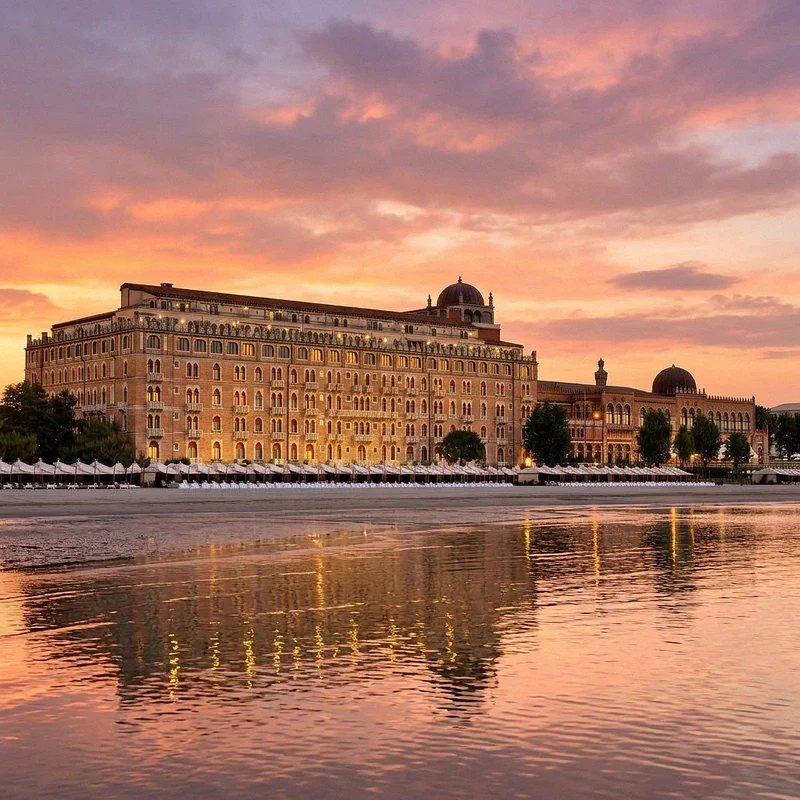
The Palazzo del Cinema stands nearby. Opened in 1937 on a design by Luigi Quagliata, this rationalist block dominates Lungomare Marconi with its clean and austere facade. Walking in front of this imposing building makes the fast footsteps of photographers and the continuous click of old flashes echo in your mind. If you close your eyes, you can almost hear the engines of the grand vintage cars arriving on the avenue. A monument to collective memory.
The Melancholy of the Grand Hotel des Bains#
A shadow crosses the seafront. The Grand Hotel des Bains, opened in 1900, lies today in a melancholy silence that squeezes the heart. This legendary hotel, which inspired Thomas Mann for his masterpiece Death in Venice, has been covered in metal scaffolding for years. The first time I walked along its rusty fence, I stopped to peer through the wooden planks of the construction site. It was a blow to the heart. I remember there was an old fragment of white plaster on the ground that had detached from a column: I picked it up and kept it in my pocket all day, like the wreck of a lost cinematic Atlantis. An open wound in history.
Luchino Visconti captured its splendor. The immense rooms and manicured gardens were the perfect set for his film adaptation of the novel. Within these walls, one could breathe the smell of floor wax and the sound of violins accompanying afternoon tea. Today, only the wind shaking the palm leaves and the distant noise of construction sites remain. A silence that screams nostalgia.
There is finally light on the horizon. After more than fifteen years of complete abandonment and a partial roof collapse in 2020, a massive international recovery plan has finally taken over the property. The first construction sites for the urgent stabilization of the walls and the historic roof will start by the end of 2026. The actual restoration will require several years of painstaking work under the strict supervision of the Fine Arts. It will not reopen before 2030.
Malamocco: The Ancient Guardian of the Lagoon#
The oldest past lies to the south. Malamocco, the ancient fortified village that preceded the birth of Venice itself, is a refuge of absolute quiet. The narrow streets and small bridges recall a Venice in miniature but completely devoid of souvenir shops. The smell of the salty lagoon joins the scent of fresh laundry hanging between the colorful houses. A place where time has stood still.
Quiet reigns among the bricks. Walking along the inner canal, you will hear only the splashing of water and the quiet chatter of fishermen mending their nets. Last year, in one of these little squares in Malamocco, I sat on a stone bench to chat with an old fisherman named Berto. With calloused hands and the strong smell of the lagoon on him, he told me about when he was a child and swam in the canals while Malamocco was still protected from storm surges only by the old stone walls (murazzi). These are the moments when you understand that the Lido is not just a film set, but a living community that fiercely defends its own rhythm. A lesson in Venetian peace.
The Alberoni Nature Reserve#
Nature takes back control. At the southern end of the island lies the Alberoni nature reserve, a unique wild ecosystem in the whole lagoon. The sand dunes, formed by the wind and protected by the pine forest, host a rich flora and rare bird species. The air smells of sun-warmed pine needles and wild resin mixing with the sea breeze. A wild and unexpected escape.
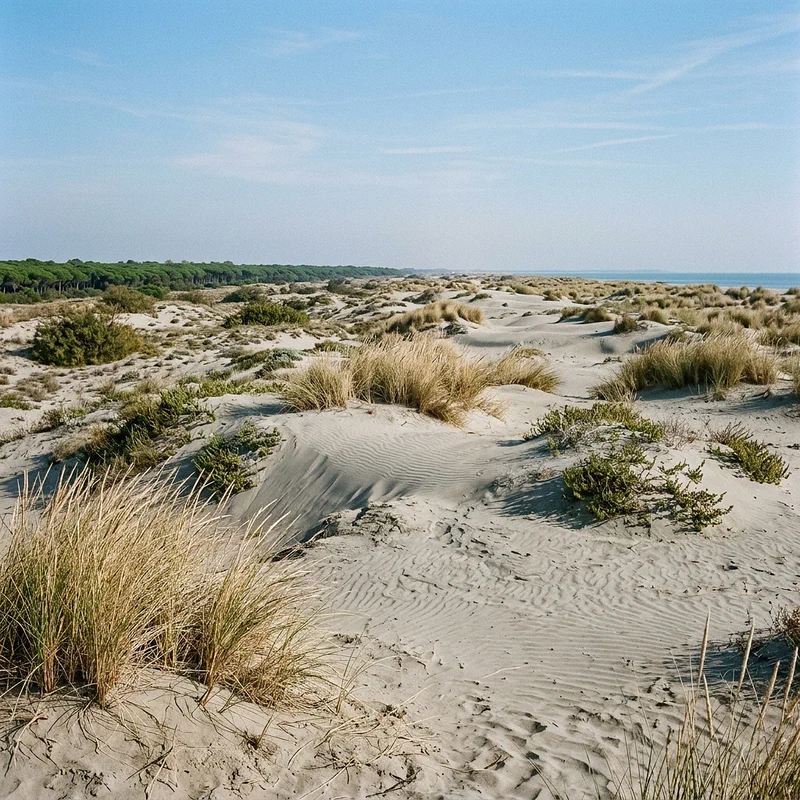
The silence here is absolute. Walking on the dirt paths, you will hear only the rustle of the wind through the pine tops and the song of cicacas in summer. This free beach is the perfect contrast to the private baths of the grand hotels in the center. It is a place of peace where you can reconnect with the earth. A hidden and precious paradise.
Authentic Lagoon Flavors at Trattoria Favorita#
The flavors of the lagoon are sacred. For dinner, I advise you to sit at the tables of the historic Trattoria Favorita, where traditional Venetian cuisine is served with sincere pride. La Favorita is my personal time machine. When I cross the threshold and smell the warm scent of sautéed garlic and the hot vinegar evaporating for the preparation of the saor, I know I’m home. The last time, the owner, recognizing me, brought me an off-menu dish of schie (the tiny gray lagoon shrimp) fried on a bed of very hot polenta. A sincere, savory, and crunchy flavor that you won’t find in any starred restaurant in San Marco. Their specialty is sarde in saor, marinated slowly with sweet white onions, vinegar, pine nuts, and raisins. A perfect marriage of ancient flavors.
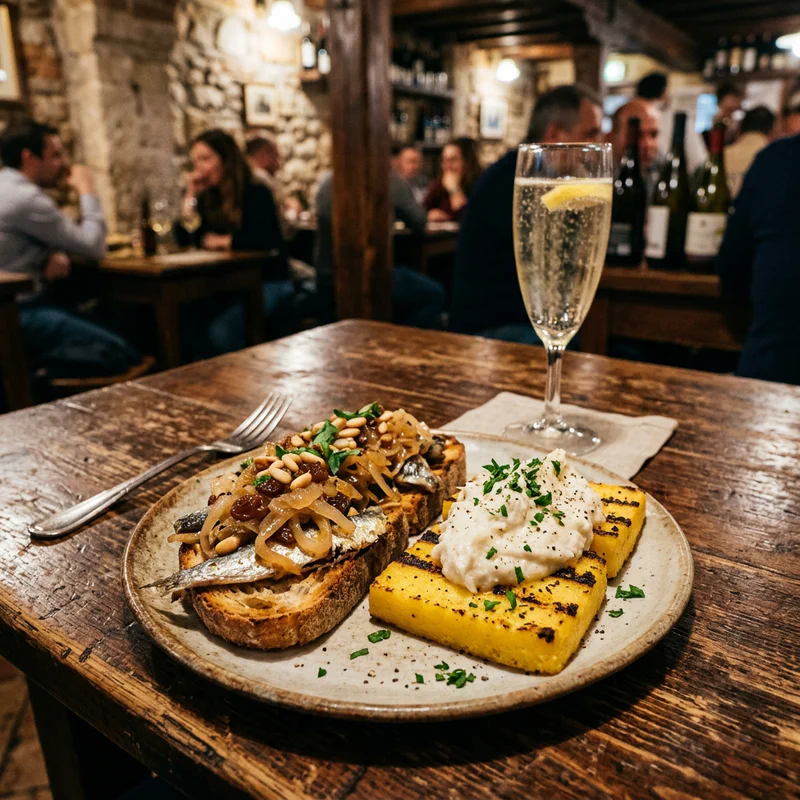
Polenta accompanies every dish. The perfectly whipped baccalà mantecato, creamy and velvety, is served warm on slices of white grilled polenta. You will feel the crunchy texture of the polenta under your teeth, contrasting with the softness of the savory fish. Accompany the meal with a cool glass of local Prosecco bubbling slightly in the glass. The pure joy of the table.
The lagoon hides secrets. If the mysterious charm of local history fascinates you, I recommend reading my investigation into Poveglia, the lagoon island. There you will discover the legends of the historic plague hospitals and the secrets hidden among the ruins that the vegetation is slowly swallowing. This investigation represents a forgotten chapter that will help you understand the fragility of lagoon civilization. A truly unmissable trip.
Practical Advice for the Slow Traveler#
Planning the trip is essential. To reach the Lido from Piazzale Roma or the Venice Santa Lucia railway station, you simply need to board one of the rapid water buses. The crossing across the lagoon takes about half an hour, lulled by the dull hum of the engines cutting through the water. If you are in no hurry and seek pure poetry instead, there are the slower lines that lazily cross the entire Grand Canal. An unforgettable cruise through history.
Respect the local rhythm. Many monuments and small shops on the Lido still observe the afternoon rest, closing their doors for a few hours. Sometimes this ancient habit can be annoying if you have little time and find everything barred in the early afternoon. I suggest you move early in the morning and rent a bicycle to explore the island in freedom. Slowness is a virtue.
Aggiornamento: As I continue to explore the secrets of Italy, I’ve discovered more reasons to appreciate the understated beauty of the Lido. Beyond the crowd of summer tourists, the island still guards an intimate charm made of Art Nouveau architecture and precious silences. My colleague Sofia has a wonderful guide to the tranquil landscapes of Trentino-Alto-Adige, where she shares a romantic escape to the heart of the Val di Fassa. A Romantic Getaway to the Heart of the Val di Fassa. Whether you’re strolling through the Lido or discovering the serene beauty of Trentino-Alto-Adige, I hope you’ll take your time to soak up the history and atmosphere of these enchanting places. Have a wonderful walk through history!