
Basilicata has only a tiny outlet to the sea, but it is a concentrate of pure and rugged beauty. When Lorenzo and I arrived in Maratea with the kids in the back seats, we had to leave the fast roads behind to immerse ourselves in a jagged and vertical coastline. The air is thick with the scent of Aleppo pines, mixed with the aroma of strong coffee wafting from the open windows of the historic village. Forget the chaotic frenzy of the nearby Amalfi Coast; here, time is measured by the tides and the seasons. It is a refuge of slowness and discreet charm, perfect for families seeking authenticity.
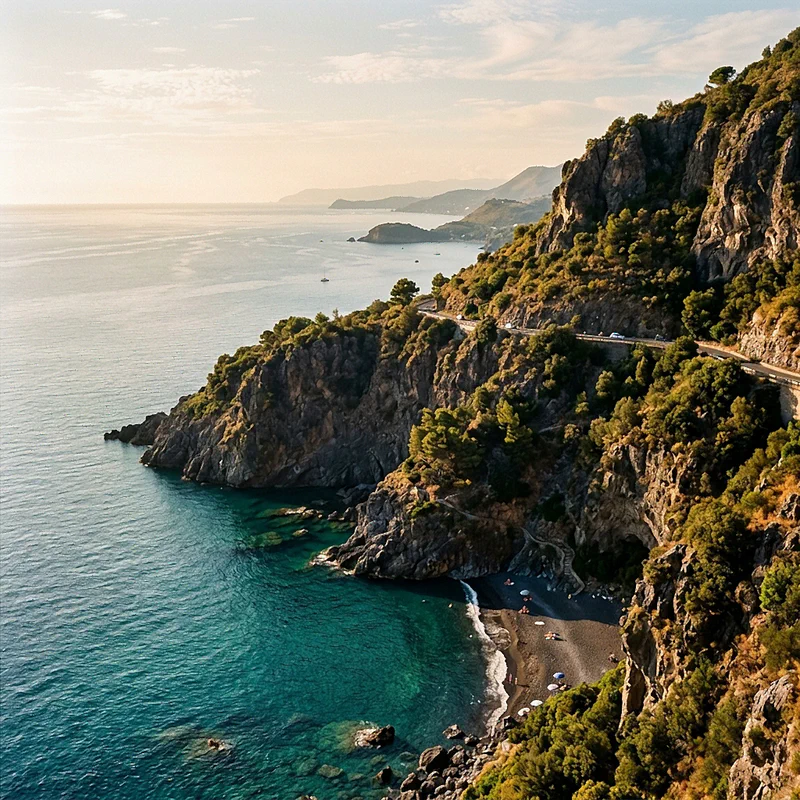
The journey toward the south gave us views that look hand-painted on a rough canvas. The hairpin bends of State Highway 18 cut through the rock cliffs overlooking the deep blue, offering glimpses of wild and unforgettable beauty. Between the curves, the children’s eyes filled with the sight of Saracen watchtowers and limestone cliffs. Lorenzo drove carefully, while Beatrice tried to spot the herring gulls nesting in the rock crevices. It is a land that demands respect and careful driving.
As we headed down toward the sea, the sweet scent of wild fennel and rosemary filled the car. The silence of the coast was broken only by the rhythmic chorus of cicadas hidden in the mastic bushes. Below us, the Tyrrhenian water shaded from emerald green to the deepest cobalt blue, still as a mirror. Leonardo immediately started asking when we would take our first swim, drawn by that salty call. This first impact confirmed that Maratea is an extraordinary choice.
If after the Lucanian coast you want to explore the stone inland of the region, I suggest reading my guide to the Lucanian Dolomites.
Exploring the historic village between stairs and chimes#
The historic center of Maratea is a vertical labyrinth suspended between the clouds and the sea. The whitewashed houses climb the rock of Monte San Biagio, connected by narrow stairways of smooth stone. Walking through the alleys, you discover tiny squares where elderly people chat in the shade of balconies blooming with geraniums. The children had fun exploring every corner to find the famous forty-four churches of the village. This walk requires trained legs and plenty of patience.
For those traveling with small children, the logistics of the village present obvious challenges. Absolutely leave the folding stroller in the car trunk and use a sling or a baby carrier backpack. The wheels would end up getting stuck constantly between the cracks of the medieval pavement, turning the outing into torture. Beatrice walked holding Lorenzo’s hand, stopping at every cat we met along the way. It is a place to be experienced at a slow pace, without haste.
During the summer season, you must pay close attention to the access rules for the center. The ZTL of the village is active every day, and municipal cameras do not forgive distracted tourists. You should leave your car in the secure parking lots outside the walls, located close to the pedestrian entrance. We paid a reasonable hourly fee and avoided unnecessary bureaucratic complications that would have ruined our day. Planning always prevents bad surprises.
In the late afternoon, the atmosphere of the village turns a warm, golden color. The smell of roasting coffee mixes with that of wood-fired bread coming from the small historic bakeries. The silver chimes of bells announcing sunset spread from the church steeples. The children enjoyed a lemon granita sitting on the steps of the church of Santa Maria Maggiore while we enjoyed the cool breeze. These are the moments that make up for any logistical effort.
The Christ Redeemer on Monte San Biagio#
The climb to the Christ Redeemer is an unmissable excursion for the whole family. The giant statue, second in size only to the one in Rio de Janeiro, dominates the entire Gulf of Policastro from the mountaintop. The view up there is breathtaking, with the Lucanian mountains plunging straight into the waters of the Tyrrhenian. The children stood open-mouthed before that figure of concrete and white marble that seems to touch the clouds. It is a viewpoint that combines spirituality and wild nature.
To reach the top with children in total safety, it is best to follow a specific route. Avoid walking up along the steep paths under the burning July or August sun. Park your car in the parking lot located halfway up and take the convenient municipal shuttle bus that runs continuously. The ticket is cheap and will save the little ones a tiring walk that would extinguish their enthusiasm. Convenience in travel is a key factor for family peace.
Always bring light jackets for the children when you go up to the Christ Redeemer. Even on the warmest summer days, a constant, cool wind blows at the top of Monte San Biagio, which can cause sudden temperature drops. Don’t forget a bottle of fresh water, as the refreshment spots at the top can be crowded and expensive.
On the summit, the wind brings the sharp scent of pine resin and aromatic herbs. The distant sound of car horns disappears, replaced by the whistle of air caressing the limestone rock of the mountain. Leonardo had fun watching the boats that looked like ants in the cobalt blue sea below. We took wonderful pictures under the giant feet of the statue, with the sun starting its descent. This stop will remain etched in our children’s memories for a long time.
Fiumicello: the child-friendly beach#
Fiumicello beach is undoubtedly the most comfortable and equipped destination for families in Maratea. This sandy bay, enclosed between two high cliffs covered in vegetation, offers a sea floor that slopes gently toward the open water. The waters here are calm and protected from the winds, perfect for allowing children to play safely. Lorenzo rented an umbrella and two sunbeds at one of the beach’s historic lidi. It is the ideal place to spend a day of complete beach relaxation.
The presence of equipped establishments guarantees all the necessary services for those traveling with babies. You will find hot showers, changing tables in the bathrooms, small restaurants on the beach, and play areas dedicated to children on the sand. We had lunch in the shade of a wooden pergola, enjoying a frisella with fresh cherry tomatoes and local basil. The smell of fried fish from the kitchens invited us to yield to the temptations of the table. The children loved the artisanal ice cream from the lido bar.
However, the popularity of Fiumicello requires careful management of timing and travel. During July and August, the parking spaces available near the beach fill up quickly from the early morning hours. I strongly advise you to arrive on site by nine to find a convenient spot. The costs of daily parking can be high, so budget this expense to avoid surprises. Arriving early always guarantees the choice of the best spot.
The black sand of Cala Jannita and the magic of Macarro#
Cala Jannita beach, famous throughout Italy as the Black Beach, offers a unique setting in the world. The dark gray sand and pebbles are the result of the erosion of dark limestone rocks typical of Lucanian geology. Access is via a series of stone steps immersed in a cool, shady pine forest. As you go down, the contrast between the dark rocks and the transparent blue of the sea becomes more intense. It is a magical place that fascinates adults and children.
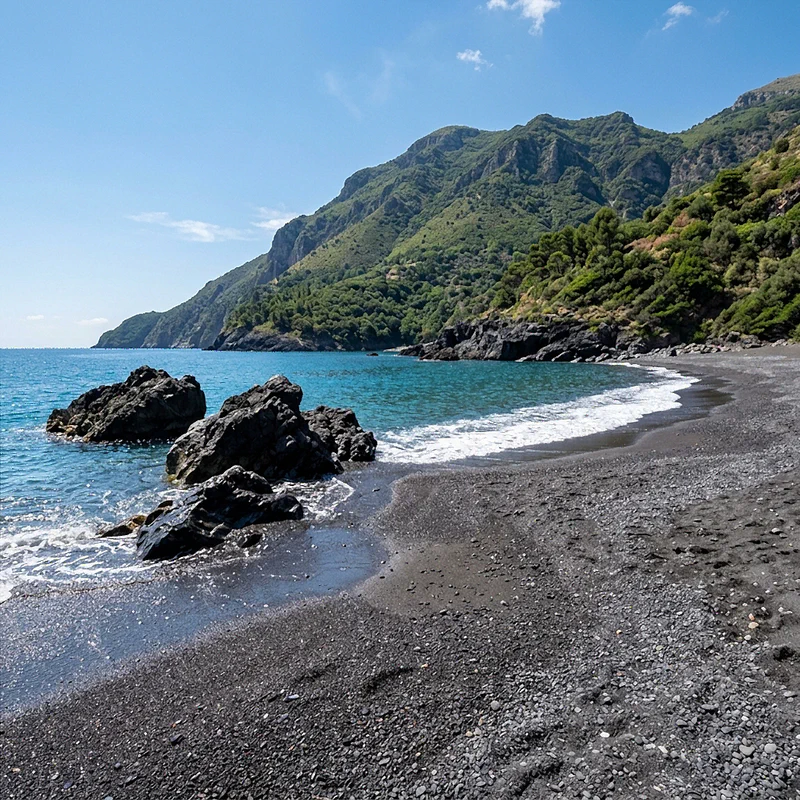
The physical characteristics of this cove, however, require some important logistical precautions for families. The black sand, under the direct action of the sun’s rays, heats up significantly and can burn the delicate feet of children. It is absolutely mandatory to have your children wear water shoes before walking on the beach. Leonardo tried to take them off for fun, but immediately realized the heat was too much. You can never be too careful in these wild natural environments.
Near the Black Beach is also the suggestive Sciabella cave, rich in pirate legends. We rented a pedal boat to explore it closely with the children, who were fascinated by the reflection of the water on the rock walls. The silence inside the cave was broken only by the dripping of humidity and the flapping of sea bats’ wings. Beatrice swore she saw a mermaid’s tail flash through the dark waves. This small adventure made the day unforgettable.
If you prefer a beach with lighter sand and surrounded by greenery, Macarro is an excellent alternative to Cala Jannita. This cove is protected by a natural barrier of trees that offer pleasant natural shade in the hottest hours. The sea floors are rich in small colorful fish, ideal for children who want to try snorkeling for the first time. We spent hours looking for shells on the shore, lulled by the sweet sound of the surf. It is a true corner of coastal peace.
Boat excursions and coves accessible only by sea#
To fully experience the beauty of the Lucanian coast, I recommend organizing a boat trip. At the tourist harbor of Maratea, you can rent a small gozzo boat or join a guided excursion along the coast. This will allow you to reach remote coves and hidden beaches that are otherwise inaccessible by land. The local fishermen are very kind and often share interesting stories about the area’s caves. Dealing directly with them at the harbor will save you money compared to online agencies.
During the navigation, the smell of salt spray mixes with that of the pines growing on the cliffs above. The sound of the boat’s diesel engine lulls the children, while the waves gently rock the wooden hull. We anchored near the Cave of Wonders (Grotta delle Meraviglie), a natural cavity discovered by chance during road works on Highway 18. The interior houses spectacular stalactites and stalagmites lit by soft lights—a brief but suggestive visit perfect for children.
If you book a boat excursion, choose a half-day trip in the morning. The sea in Maratea tends to be very calm in the early hours of the day, minimizing the risk of seasickness for the children. Remember to bring visored caps, high-protection sunscreen, and a change of dry clothes to avoid drafts during navigation.
As we returned to the harbor, Lorenzo spotted a family of dolphins swimming not far from our boat. The children started jumping for joy, drawing the cetaceans’ attention with their happy shouts. Seeing these beautiful animals in their natural habitat was an indescribable thrill for all of us. The coast of Maratea knows how to reward patient travelers with extraordinary encounters. This day at sea was Leonardo’s favorite.
Logistics and traps to avoid on the Lucanian coast#
Moving by car along the coast of Maratea requires attention and some familiarity with mountain roads. State Highway 18 is scenic but features sharp bends and exposed sections that can disturb those prone to motion sickness. If your children suffer from car sickness, plan frequent stops at the various panoramic viewpoints along the way. We always travel with ginger candies and make regular breaks to breathe the fresh sea air. Preventing car sickness makes the trip peaceful for everyone.
Another trap to avoid concerns parking rates near the most famous beaches. The paid municipal parking spots are equipped with parking meters that only accept coins or smartphone apps that don’t always have network coverage. You should always keep a supply of coins in the car’s glove box to avoid having to look for change in nearby bars. The lack of cash can waste valuable time queuing under the sun. Logistical preparation is key.
You should also know that many coves marked on maps as “easy” actually require very steep descents on dirt paths. Before venturing with children to a new beach, always double-check with the staff at your accommodation or the locals. They know the actual condition of the paths, which can landslide or become overgrown with vegetation after winter rains. Relying on outdated online reviews can be dangerous with children in tow. Safety comes first.
Authentic flavors between land and sea#
The cuisine of Maratea is a pleasant surprise that combines the strong flavors of the Lucanian hinterland with the freshness of the sea. In the hamlet of Massa, local families carry on the tradition of producing fresh pasta filata cheeses. The mozzarella braids (treccine), prepared by hand early in the morning, have a delicate taste that children love. Lorenzo bought some aged podolico caciocavallo to enjoy in the evening on the balcony of our apartment. The freshness of these products is unmatched.
In the restaurants at the harbor, I recommend tasting the rascatelli pasta tossed with cruschi peppers and fresh anchovies. This local fresh pasta, similar to cavatelli, holds the savory seasonings of the Lucanian tradition. For children, a simple and authentic choice is fresh tomato pasta with a grating of local cacioricotta cheese. The smell of fresh basil fills the restaurant room, while the sound of dishes mixes with the chatter of customers. Eating here is a happy family ritual.
In conclusion, Maratea proved to be an ideal destination for a family holiday dedicated to relaxation and nature. The Lucanian coast requires organization and respect for the slow rhythms of the south, but it rewards every effort with transparent waters and untouched villages. Our children still remember the taste of ice cream at the harbor and the dark sand of Cala Jannita. It is a journey we recommend to all parents who love the authentic beauty of the Tyrrhenian. And if you like combining family trips with southern local traditions, don’t miss my guide to March traditions in Puglia.