
Ciao, amici! Pull up a chair and let me pour you a glass of Primitivo.
While most travelers flock to the white-washed shores of Polignano a Mare or the trulli of Alberobello, my heart—and my stomach—always pulls me inland, toward the rugged, sun-drenched plateau of the Alta Murgia. Here lies Altamura, a city built of stone that has a certain golden quality to it, which reminds me of the rich culinary traditions I’ve explored in other Italian road trips, and smells, quite literally, like the best bakery in the world, a sensation that my colleague Marco has a wonderful guide to capturing, as he recently explored in his article about the most iconic italian drives.
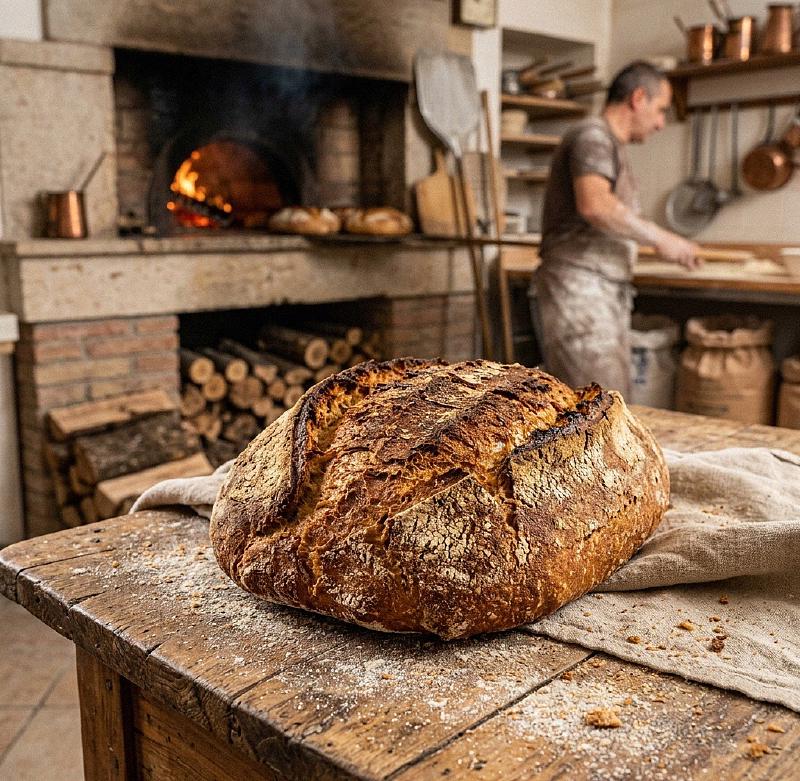
In Altamura, bread isn’t just food; it’s a religion. My nonna always told me that you can tell the character of a person by the bread they keep on their table, and the people of Altamura are as hearty, warm, and authentic as their famous loaves.
The Legend of the Pane di Altamura DOP#
You haven’t truly lived until you’ve tasted a warm slice of Pane di Altamura pulled straight from a medieval stone oven. This isn’t your average loaf. It was the first bread in Europe to receive the DOP (Protected Designation of Origin) status, and for good reason. If you want to experience more of the charm that medieval towns have to offer, I’ve explored this in detail in my guide to discovering Italy’s best-kept medieval secret, where you can find hidden gems like Ascoli Piceno. Meanwhile, my colleague Luca has a wonderful guide to the town carved from stone, which showcases the beauty of Pitigliano, a town that embodies the essence of medieval architecture crafted from stone.
Made from local durum wheat semolina, sea salt, and a lievito madre (mother yeast) that has often been passed down generations, the crust is thick, dark, and crunchy, protecting a soft, straw-colored mollica (crumb) that tastes of the Puglian sun, which shines brightly over the region’s beautiful landscapes, as my colleague Elena recently explored in her article about.
The secret is in the ingredients… and the patience. The dough must rise slowly, and it must be baked in wood-fired ovens fueled by oak. When you tear into it, the aroma is nutty and slightly acidic—a perfume that lingers in the narrow limestone alleys of the old town, reminiscent of the unspoiled charm I’ve explored in detail in Marettimo, the wild secret heart of the Mediterranean.
My Favorite ‘Nonna-Approved’ Corner: Forno Antico Santa Chiara#
As I wander through the charming streets of Italy, I often find myself in search of a tranquil retreat that embodies the essence of the Italian countryside, much like the picturesque town of Santa Maria di Castellabate: a haven that my colleague Elena has beautifully captured, where the warmth of the santa spirit is palpable. It’s in these moments that I crave a taste of traditional Italy, and Forno Antico Santa Chiara never fails to deliver, with its delectable treats that would surely win the approval of any nonna.
If you want to touch the soul of this city, head to Forno Antico Santa Chiara. Built in 1447, this bakery is a living museum. As you walk down the stone steps, the heat from the massive oven wraps around you like a wool blanket.
- What to order: Ask for a pezzo di pane and a few focaccia alla barese (topped with burst cherry tomatoes and salty olives).
- The Texture: The bottom of the bread should be slightly charred, and the inside should be airy yet substantial enough to soak up a river of local olive oil.
Beyond the Crust: The Flavors of the Murgia#
Altamura isn’t just about bread. The surrounding plateau offers a wild, herbaceous pantry that local trattorie use with reverence.
- Orecchiette con Cime di Rapa: In the small, family-run kitchens here, you’ll find nonnas hand-rolling these “little ears” of pasta. They are served with bitter broccoli rabe, plenty of garlic, and a pinch of chili.
- U’ Veddet: A traditional baked dish with lamb and wild chicory that captures the rustic essence of the region.
- Padre Peppe: A local walnut liqueur. It’s dark, spicy, and the perfect digestivo after a heavy Puglian lunch.
Giulia’s Insider Tips for the Real Altamura#
- Look for the Shape: Authentic Altamura bread comes in two traditional shapes: u sckuanète (folded bread) or a cappidde de prèvete (priest’s hat).
- Storage Secret: My nonna always said the best thing about this bread is that it stays fresh for over a week. If it starts to get hard, do as the locals do: make Cialledda. It’s a “poor man’s salad” made by soaking stale bread in water and tossing it with fresh tomatoes, cucumbers, and red onions.
- Best Time to Visit: Arrive in the early morning (around 8:00 AM) when the ovens are being emptied. The entire city smells like toasted grain and woodsmoke—it’s a sensory experience you’ll never forget.
Altamura is a place where time slows down to the pace of rising dough. It’s not flashy, but it is deeply, soul-stirringly delicious. Come for the bread, but stay for the warmth of the people who treat every meal like a celebration of their land.
Buon appetito, and see you in the piazza! If you enjoyed this, you’ll love my other post about the region’s culinary treasures, , where I delve deeper into the region’s rich gastronomic culture.