
Introduction#
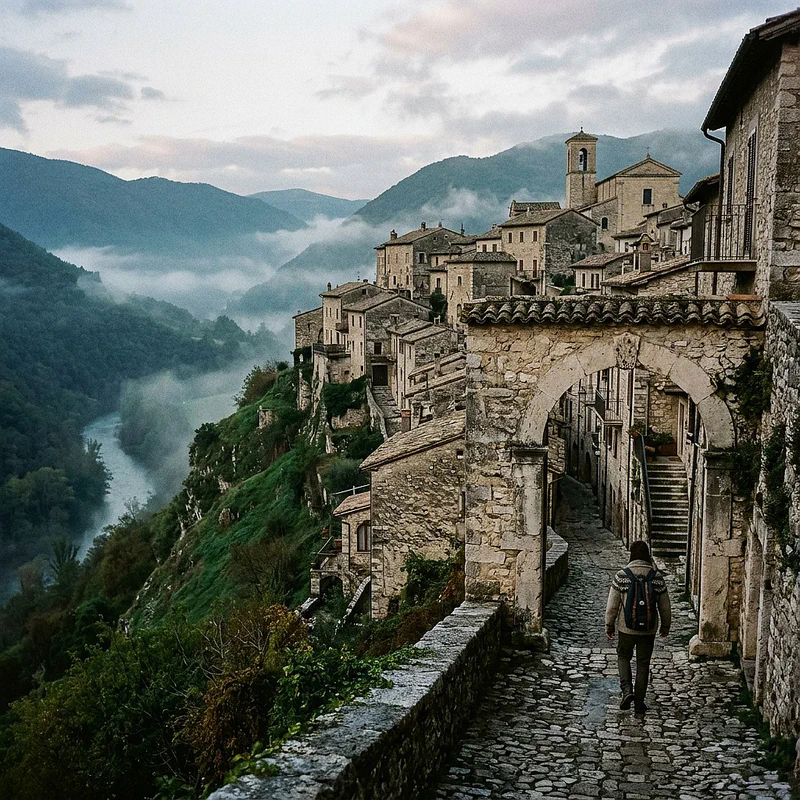
Valnerina, one of Umbria’s lesser-known gems, is the perfect spot for an authentic experience away from tourist crowds and clichéd itineraries. It’s a valley carved by the Nera river, where the landscape is a perfect blend of wild nature and stone villages that seem to leap out of a history book. The first time I set foot here, I parked my old car at the entrance of a village and was left speechless. The valley’s silence, interrupted only by the rustling of wind through the oaks and the distant sound of bells, instantly transported me back in time. The narrow, winding roads, marked by centuries of passage, seem designed to slow your pace and invite you to look around. My advice? Ditch your watch. In Valnerina, you come to dedicate time to getting lost in the stone alleys, old shops, and unexpected views that open up onto the valley. It’s a journey through time.
Getting There and Around#
Getting to Valnerina isn’t exactly a stroll. But honestly, that’s what makes it so special. Its geographical isolation has protected it from mass tourism, and it’s a blessing for those who, like me, love discovering places where life flows at a deeply human pace. If you love this kind of silent, mysterious, and stone-made Umbria, I highly recommend exploring the wonderful Gubbio, which I wrote about in my guide to the medieval mysteries of the City of Stone. The best and only way to truly visit is to rent a car. Yes, I know, you might think relying on public transport is more relaxing or eco-friendly, but I warn you: regional bus schedules are extremely limited. The risk of getting stuck in a tiny village without knowing when (or if) the next bus will arrive is high. I once tried to count on a local line to return to Spoleto, and after two hours staring at a rusty clock at the bus stop, I realized a car is the only choice. The scenic tip? Take the SS209 state road (“Valnerina”). It’s a tortuous and spectacular route that follows the river, offering breathtaking views behind every curve. Driving here with the windows down and the scent of moss and wood smoke in the air is half the journey.
Valnerina Villages#
Each village in Valnerina seems to have its own rugged character, like many small personalities enclosed in a valley. I’ve spent entire days exploring these villages, talking to elderly locals sitting on benches.
- Spoleto: (Which serves as the gateway to the valley). If you haven’t already, cross the impressive Ponte delle Torri at sunset. I still remember the first time: the sun setting behind the Umbrian hills and the fresh air rising from the gorge. It’s an architectural vertigo that stays with you.
- Vallo di Nera: This fortified village, perfectly preserved in a spindle shape, is a true journey into the Middle Ages. Its narrow, silent streets, closed to traffic, are perfect for walking without a destination. However, avoid visiting during the central weekends of August.
- Scheggino: Oh, Scheggino! The village crossed by spring water canals. If you love cuisine, you must stop here to taste the local black truffles. I once happened to witness the return of a truffle hunter with his muddy dogs: it’s the authentic soul of this land.
What to Do#
There’s nothing better than immersing yourself in Valnerina, letting yourself be guided by slowness. Here, there’s no “list of things to check off”.
- Hiking and excursions: Valnerina’s trails are a rough and little-beaten dream. One of my favorites is the path that follows the Nera river towards the Abbazia di San Pietro in Valle. Walking with the constant sound of water flowing a few meters from you makes you feel incredibly alive.
- Norcian Gastronomy: I challenge you to find better butcher’s art than that of Valnerina (no wonder, Italy’s master butchers are called “Norcini”). Enter an old shop with an intense scent: you can’t leave without tasting the Prosciutto di Norcia IGP cut with a knife, accompanied by a rough glass of Montefalco Rosso.
- Silence and contemplation: It may seem trivial, but sitting on the wall of one of these villages, looking at the vast woods and listening to absolute silence, is the most precious activity you can do here.
Where to Eat#
To truly experience Valnerina, stopping at a table is a sacred ritual, not a technical break. Don’t expect tourist menus with faded photos or improbable translations into English: here, the language of the land is spoken.
- In Norcia: Look for one of the historic trattorias hidden in the alleys behind the main square. The truffle scent will guide you. I remember a dish of rough, irregular strangozzi, tossed with fresh black truffle and local extra virgin oil, which almost moved me with its brutal simplicity.
- In Spoleto: For dinner, head to a traditional osteria away from the main streets. Those places with real checkered tablecloths, stone walls, and a warm atmosphere, where the owner tells you the origin of the cheeses being served.
A warning from a “slow traveler”: avoid like the plague the rare places that display fixed menus “for tourists”. Always choose the modest wooden doors: behind them, the real Umbrian grandmothers are cooking.
Where to Stay#
Valnerina offers various options, but if you really want to embrace the rural spirit of the place, my absolute advice is to choose a isolated agriturismo.
- Rural agriturismo: There’s something therapeutic about sleeping in a renovated stone farmhouse. I chose a small family-run structure near Vallo di Nera: no TV, poor cell phone signal, and every morning I woke up to the rooster’s crow and a warm slice of apple cake freshly baked by the owner.
- Diffused hotels: Many villages are saving themselves from depopulation by converting abandoned houses into rooms scattered throughout the village. It’s a fantastic way to support the local economy and live literally “inside” the village.
Valnerina is not just a destination: it’s a return to origins, a journey into the deep soul of central Italy. Turn off your phone, take the time to walk on the irregular stone pavement, and savor the strong flavor of the earth in every dish. Let yourself be enchanted by the dense, dark woods of this magical valley. Here, you find simplicity and beauty that are missing in the modern world. It’s a place that forces you to stop.