
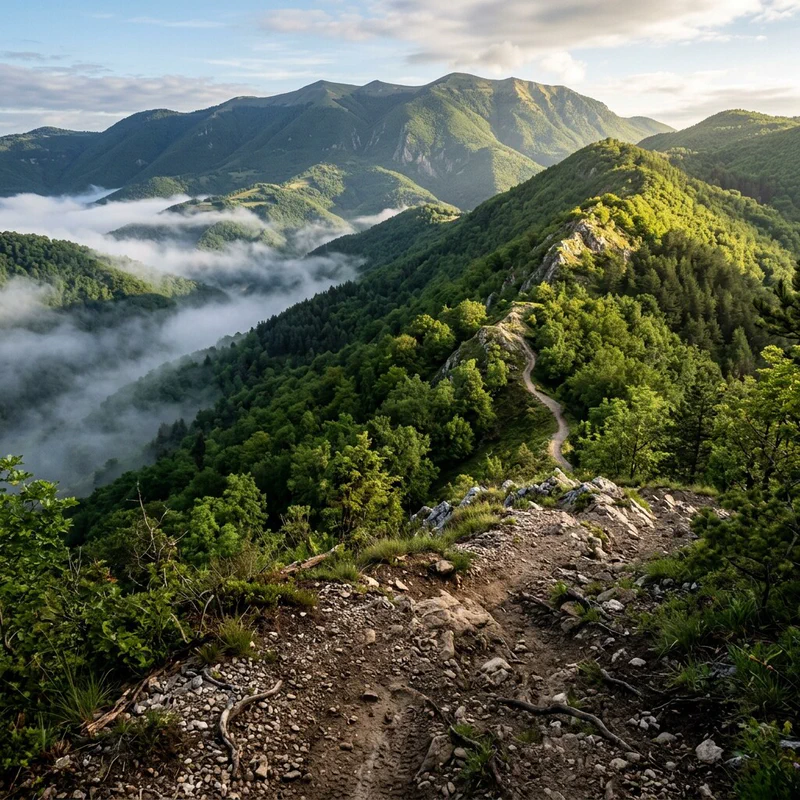
Tired of the crowded trails in Tuscany or the Dolomites? The Umbrian Apennines offer a rugged paradise for mountain bikers seeking solitude, breathtaking landscapes, and technical challenges. Here, amidst rolling hills, ancient villages, and dense woodlands, you’ll find a network of hidden trails that are begging to be explored—just you, your bike, and the wild heart of Italy.
If you’re ready for an off-the-beaten-path experience, pack your gear, tune your bike, and prepare for elevation gains that will test your legs—and views that will make it all worth every drop of sweat.
As I noted in my Sentiero Italia gear guide, hydration is key when crossing these remote Apennine ridges.
Why Choose the Umbrian Apennines for MTB?#
While Tuscany and the Dolomites steal the spotlight, Umbria remains a hidden gem for outdoor enthusiasts. Here’s why:
- Crowd-Free Trails: You can ride for hours without seeing another soul, except maybe a local shepherd or a curious fox.
- Diverse Terrain: From rolling hills and forested single tracks to technical ascents and thrilling descents, there’s something for every skill level.
- Authentic Italy: Ride through medieval villages, olive groves, and vineyards that showcase Umbria’s rural charm.
- Eco-Conscious Travel: With its slow tourism ethos, Umbria is a haven for those who want to tread lightly and leave no trace.
Top MTB Trails in the Umbrian Apennines#
1. Monte Subasio Loop#
- Difficulty: Intermediate to Advanced (CAI E-MTB Level 2)
- Distance: 35 km
- Elevation Gain: ~1,200 m
- Trail Highlights: This loop takes you through the stunning Monte Subasio Regional Park, offering panoramic views of Assisi and Spello. The steep climbs through pine forests are worth it when you reach the summit—don’t miss the iconic view of the Basilica of St. Francis from above.
- Pro Tip: Start early to catch the sunrise over Assisi. It’s a spiritual experience you won’t forget.
2. Valnerina Ridge Trail#
- Difficulty: Advanced (CAI E-MTB Level 3)
- Distance: 50 km
- Elevation Gain: ~1,800 m
- Trail Highlights: This trail runs along the spine of the Valnerina Valley, passing through quaint villages like Scheggino and Vallo di Nera. Expect challenging switchbacks, technical descents, and a front-row seat to Umbria’s jaw-dropping natural beauty.
- Insider Tip: Pack a picnic and stop by the Nera River for a refreshing break. Just remember—take all your trash with you!
3. Monti Sibillini Adventure#
- Difficulty: Advanced (CAI E-MTB Level 3)
- Distance: 40 km
- Elevation Gain: ~1,500 m
- Trail Highlights: Ride along the border between Umbria and Le Marche in the Monti Sibillini National Park. This trail is a feast for the senses—alpine meadows, deep gorges, and even wildflower-filled plains in spring.
- Safety Note: The weather changes fast at high altitudes. Always carry an extra layer and check conditions before heading out.
Essential Gear for Umbrian MTB Adventures#
Before you hit the trails, make sure you’re well-prepared. The mountain doesn’t care about your followers, respect it with the right gear!
- Bike: A full-suspension MTB is ideal for handling rocky descents and technical terrain.
- Helmet: A no-brainer. Lightweight, well-ventilated, and MIPS-certified for maximum protection.
- Hydration Pack: Trails can be remote. Carry at least 2-3 liters of water.
- Navigation Tools: A GPS device or offline maps on your smartphone (try Komoot or AllTrails).
- Repair Kit: Spare tubes, tire levers, mini pump, and a multitool are non-negotiable.
- Layers: Weather can shift quickly in the mountains. A lightweight, waterproof jacket is essential.
- Snacks: Energy bars, nuts, or dried fruit for the long hauls.
Best Time to Ride#
- Spring (April to June): Perfect weather and blooming wildflowers make this the ideal season.
- Autumn (September to October): Cooler temperatures and golden foliage create a magical atmosphere.
- Avoid Summer: Heat can be intense, and some trails might be too exposed.
Getting There#
If you’re basing yourself in the north, don’t miss the chance to visit Gubbio, the City of Stone. My colleague Alessandro has written a fascinating guide to its medieval secrets, which feels like a time-warp after a day in the woods.
Umbria is centrally located and accessible by car or train.
- By Car: From Rome, it’s a 2-hour drive to Spoleto or Assisi. From Florence, expect about 2.5 hours.
- By Train: Regional trains connect major Umbrian towns like Assisi, Spoleto, and Terni. Keep in mind that smaller villages might require a car or bike for access.
Where to Refuel#
After a day on the trails, reward yourself with some local Umbrian cuisine. My go-to spots:
- Trattoria Pallotta (Assisi): Known for their hearty truffle-infused dishes.
- Osteria del Trivio (Spoleto): Perfect for a post-ride feast featuring fresh pasta and Umbrian wines.
- Bar Centrale (Scheggino): A cozy café for a quick espresso and slice of crostata.
Responsible Riding#
- Respect the Trails: Stay on marked paths and avoid creating new lines.
- Yield to Hikers: Two wheels, one trail, zero distractions—share the space responsibly.
- Pack In, Pack Out: Do not leave behind snack wrappers or plastic bottles.
- Support Local: Stay in family-run agriturismi, shop at local markets, and dine at small trattorias.
Final Thoughts#
The Umbrian Apennines are a treasure trove for mountain bikers who value solitude, challenge, and the raw beauty of nature. These trails demand respect and reward every ounce of effort with unforgettable experiences.
So, are you ready to trade crowded tourist hubs for untamed landscapes and the thrill of the trail? Grab your bike, respect the mountains, and discover the real Italy—one pedal stroke at a time.
For those interested in exploring other regions of Italy, Campania offers a wealth of opportunities to experience the country’s rich history and culture. Island Life: Ischia con bambini, the Ultimate Family Guide to Beaches and Thermal Parks provides an in-depth look at one of the region’s most popular destinations, making it an ideal starting point for planning your next family vacation.